Wound Care

YOUR COMPLETE GUIDE TO
WOUND CARE SUPPLIES

Proper wound care starts with the right supplies. Whether you're managing a chronic wound at home, recovering from surgery, or stocking a first aid kit, the dressings and products you choose directly affect how quickly and cleanly a wound heals. Modern wound care has moved far beyond basic gauze — today's advanced dressings actively promote healing by managing moisture, fighting infection, and protecting fragile new tissue.

At Medical Monks, we carry over 1,100 wound care products across traditional dressings, advanced wound dressings, wound fillers, wound prep, and first aid supplies. In-stock orders ship same day when placed before 3 PM EST, and many supplies are covered by Medicare, Medicaid, and private insurance.

Wound Care Supplies Guide

TOP WOUND CARE BRANDS

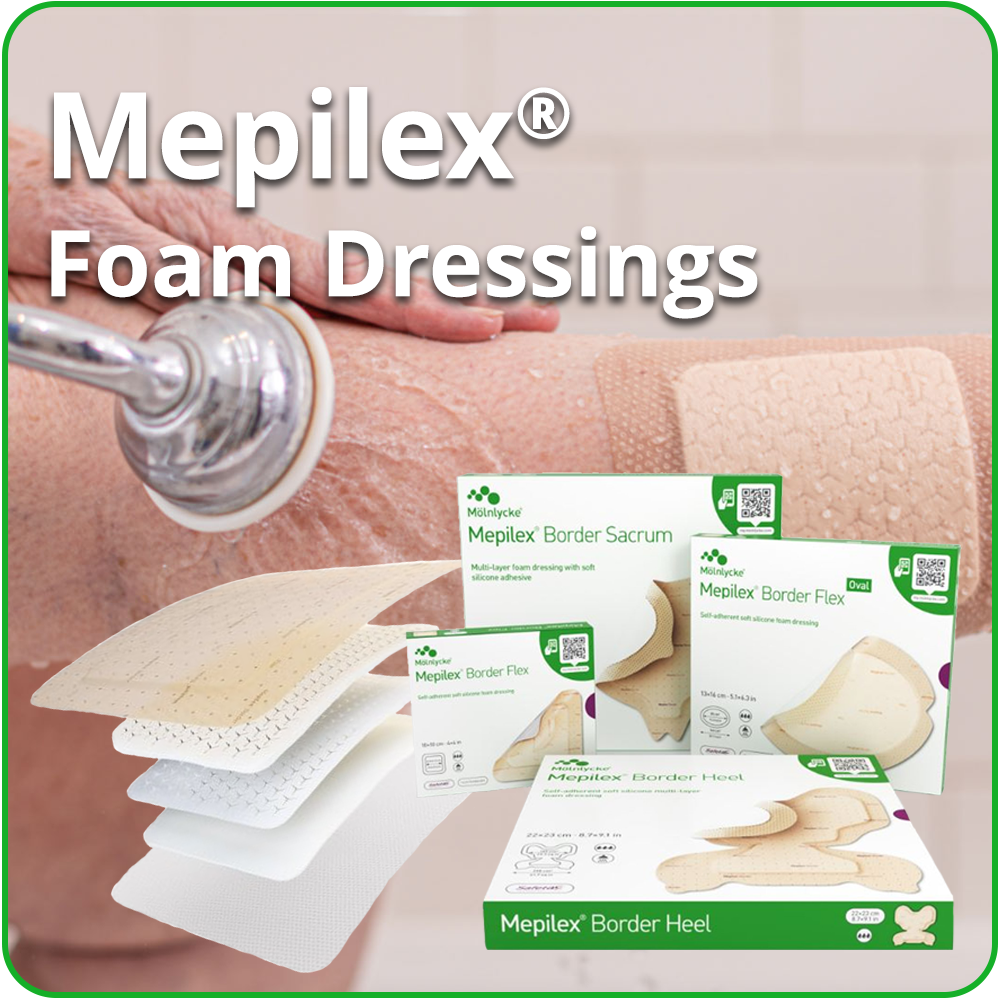
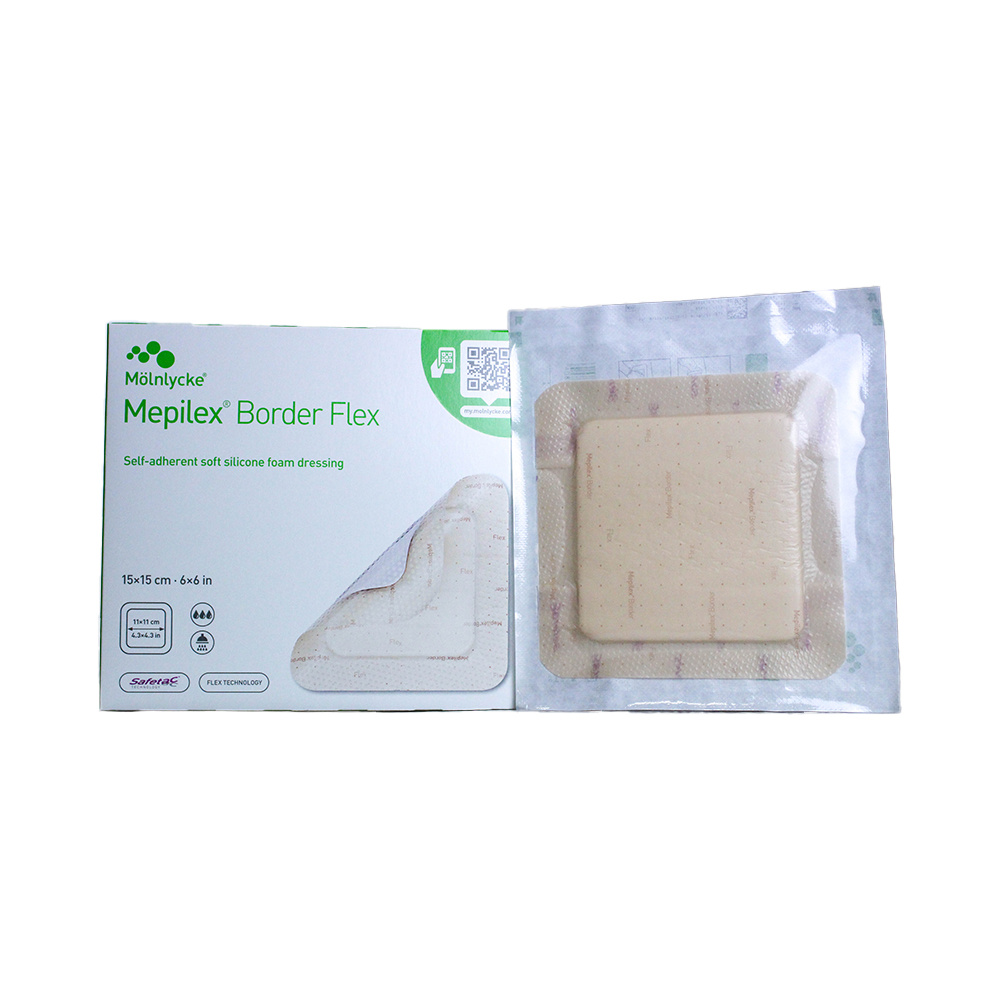
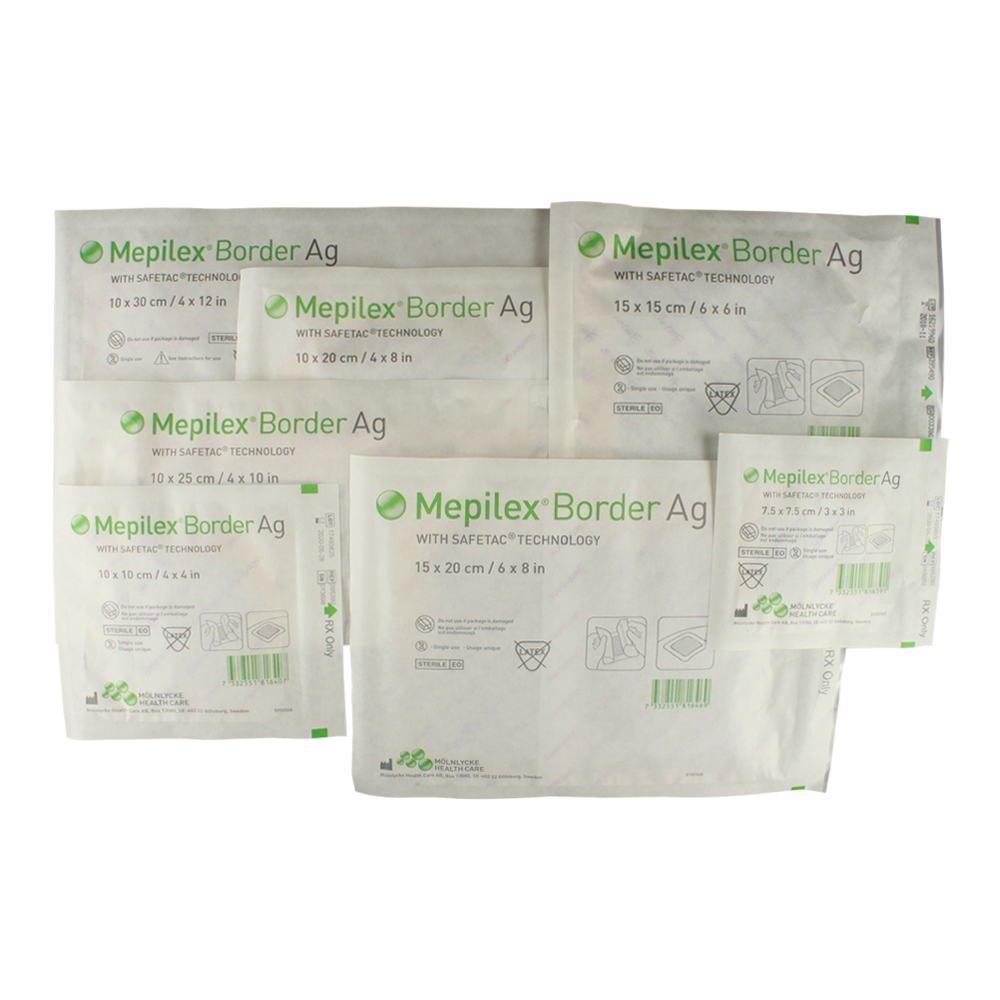
Mepilex® foam dressings from Mölnlycke are designed to conform and stay on. Their proven Safetac® Technology means less pain and trauma to the skin during changes.

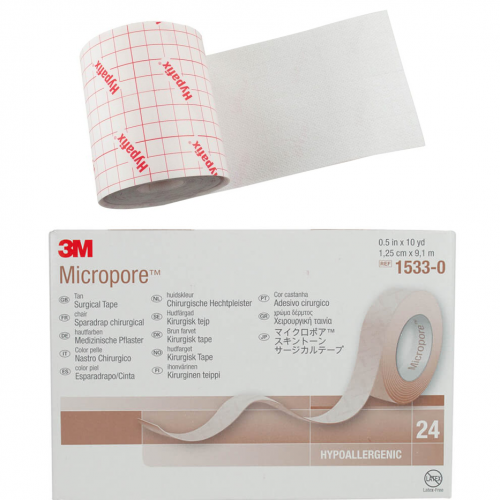
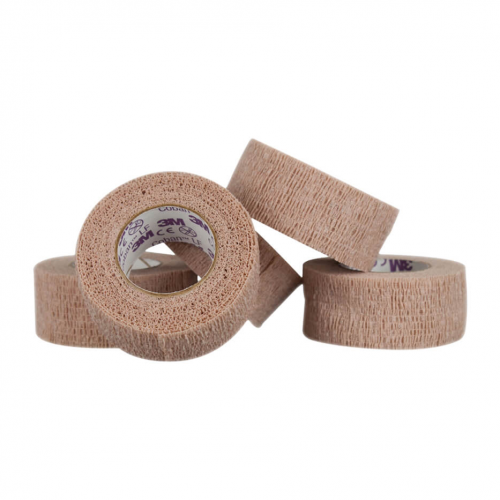
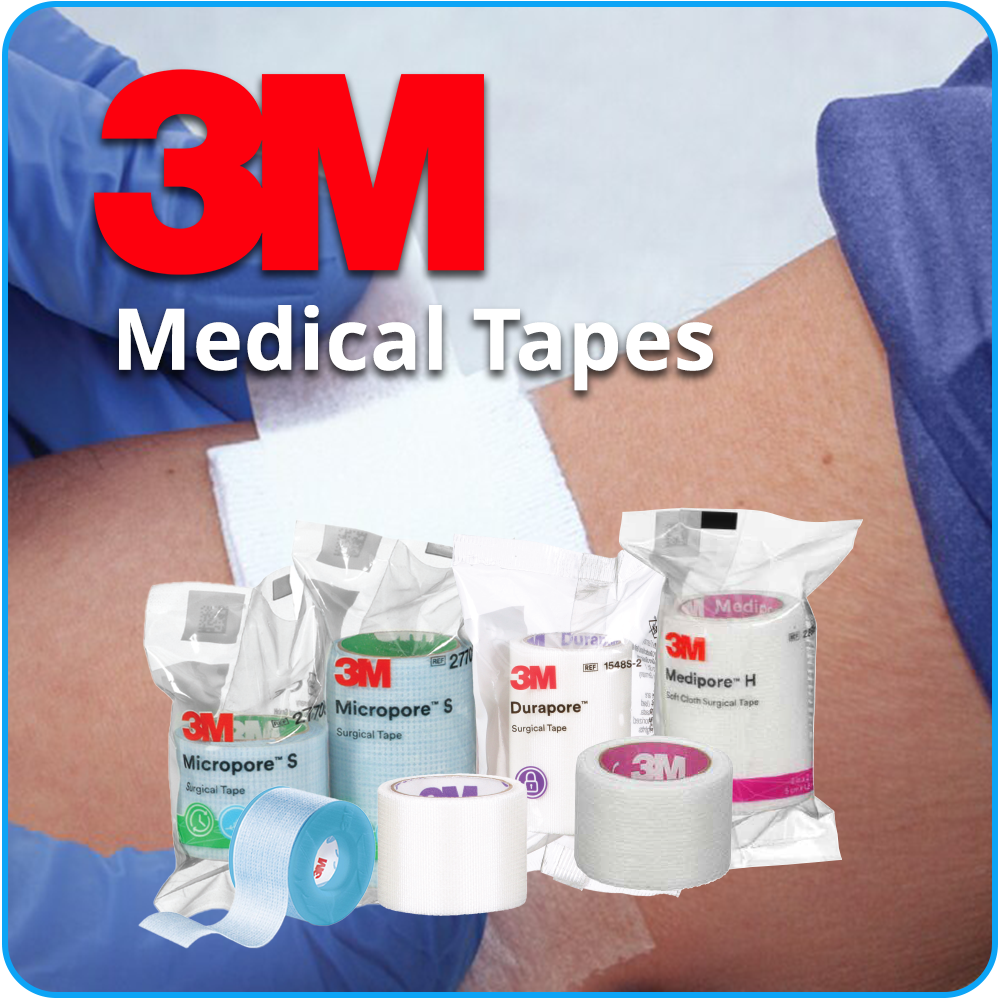
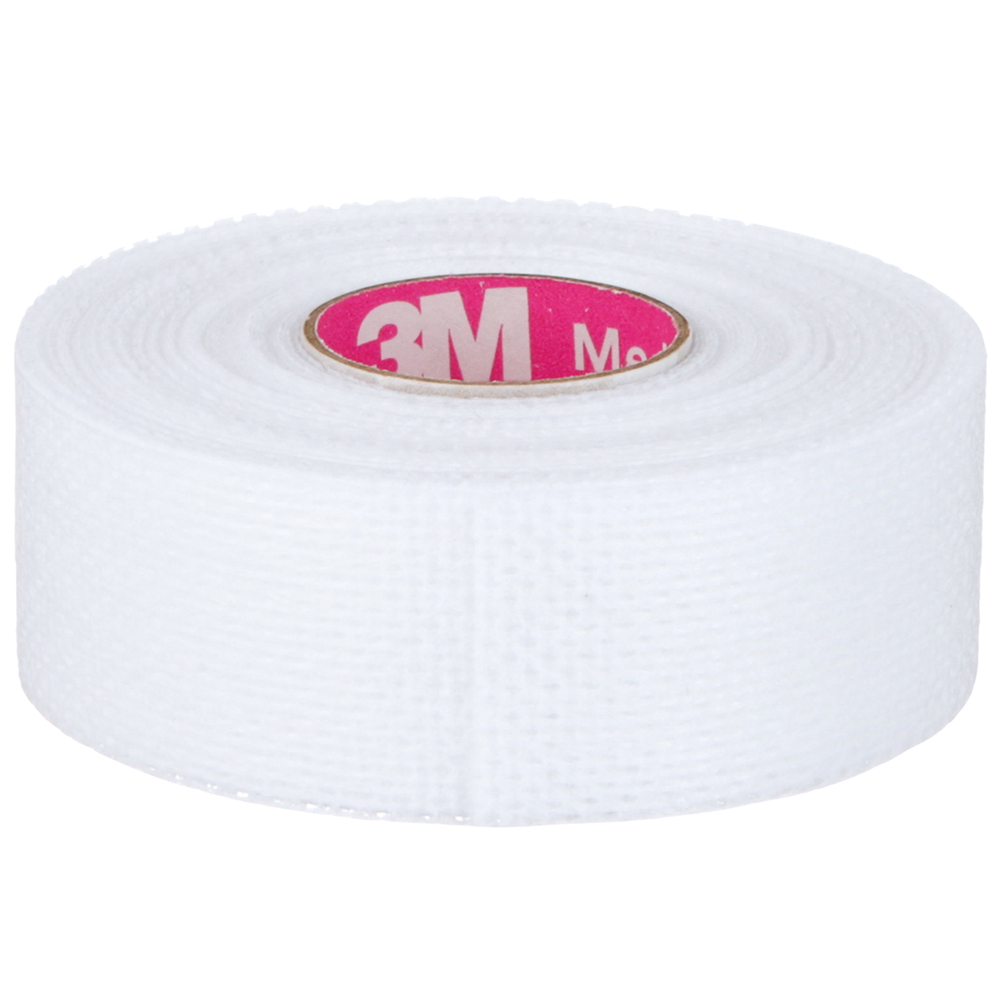
3M™ Medical Tapes are designed with the performance qualities you need to provide better patient care, with a full line of soft cloth, foam, paper, “silk-like,” cloth and plastic tapes.

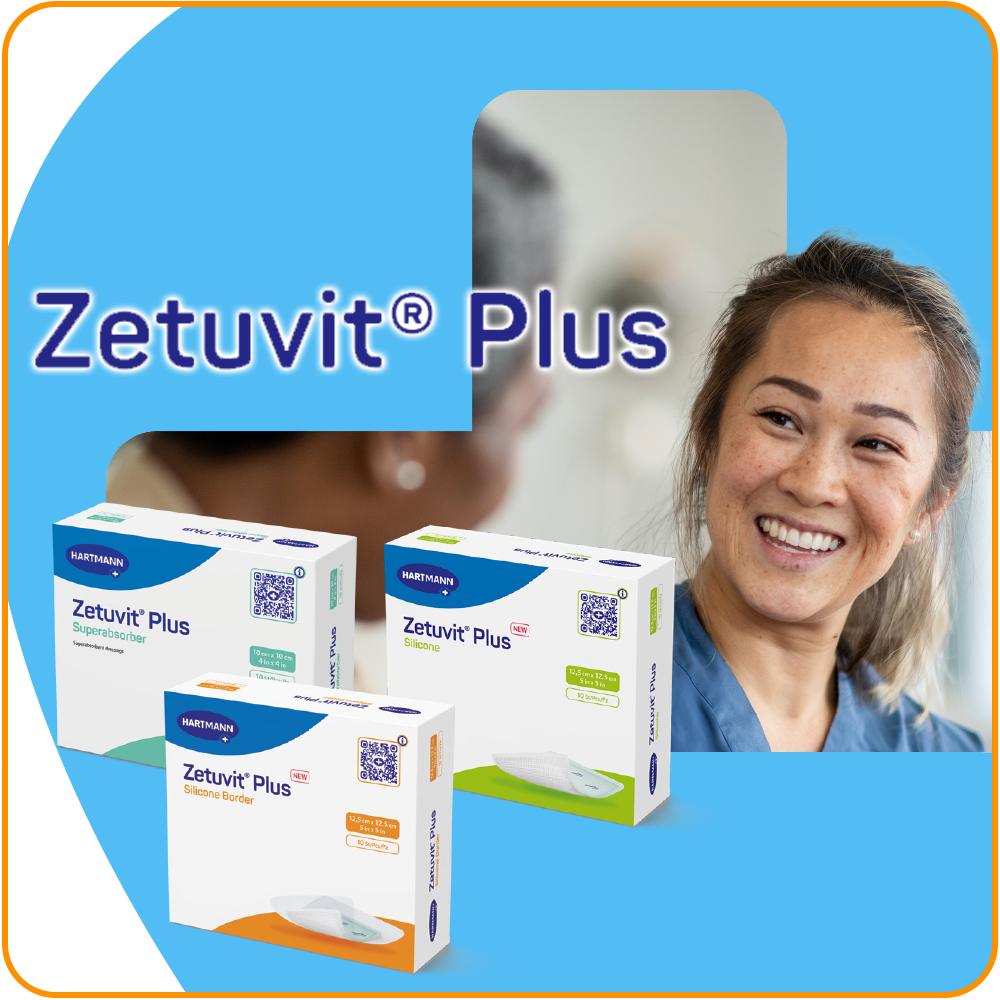
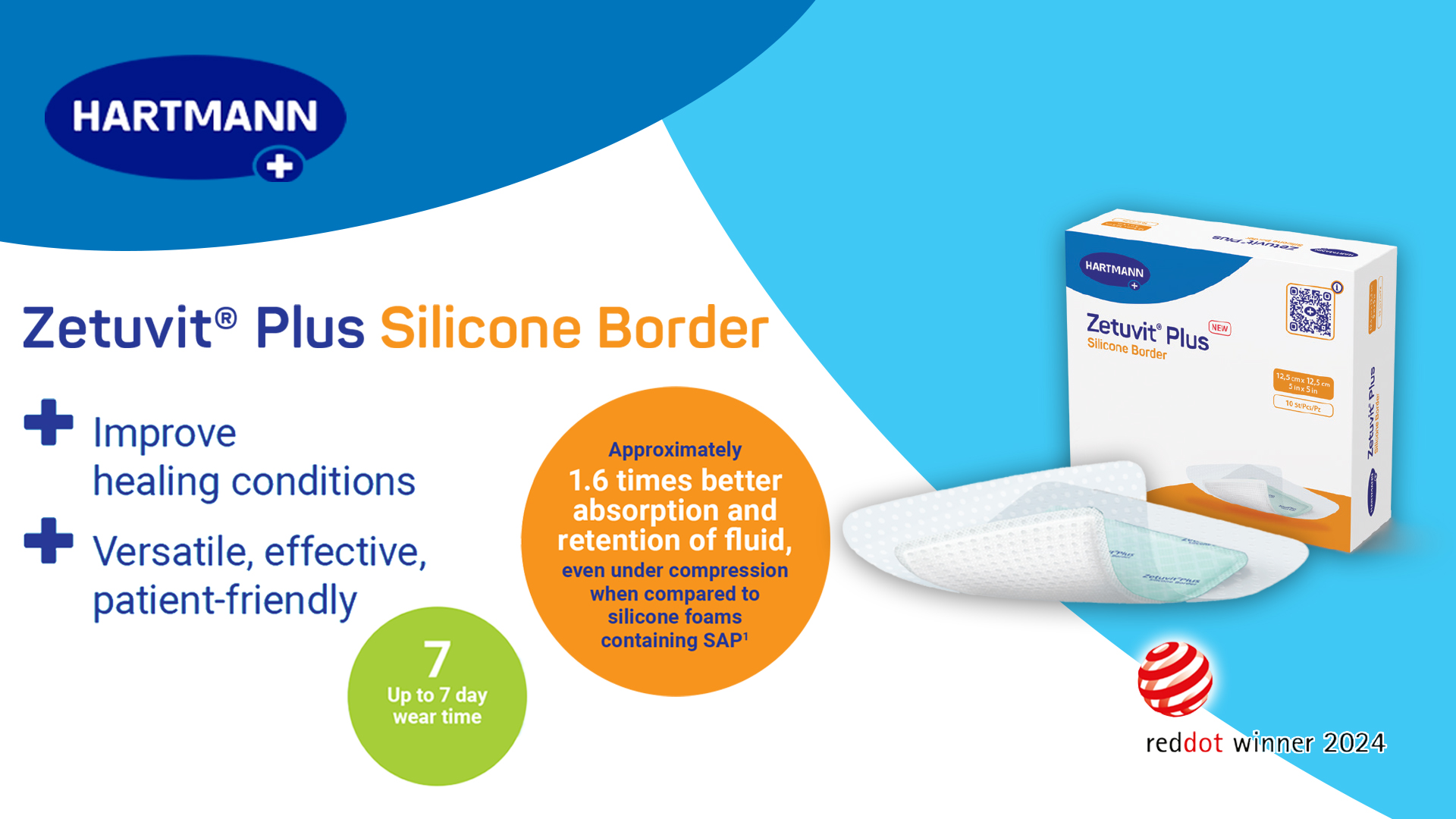
Fight to prevent exudate with Zetuvit Plus® superabsorbent dressings. These versatile dressings are indicated for a wide range of acute and chronic wounds.

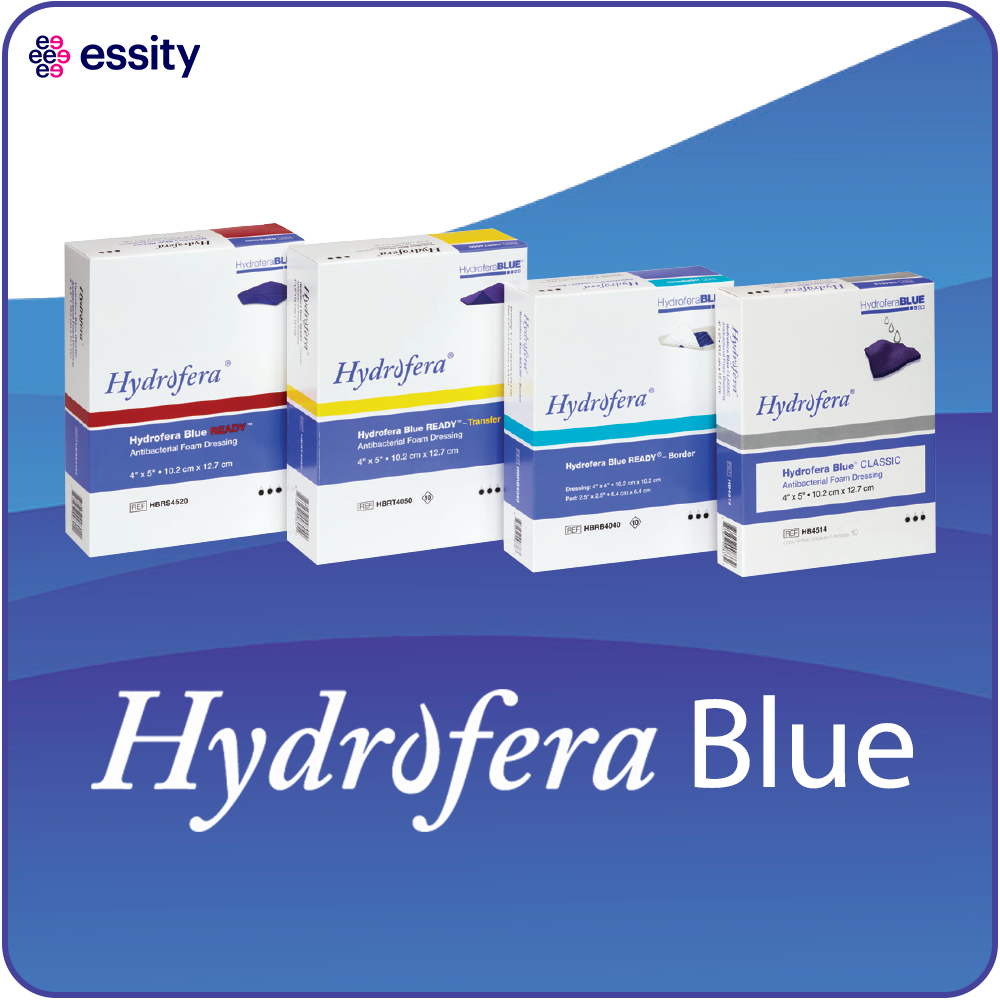
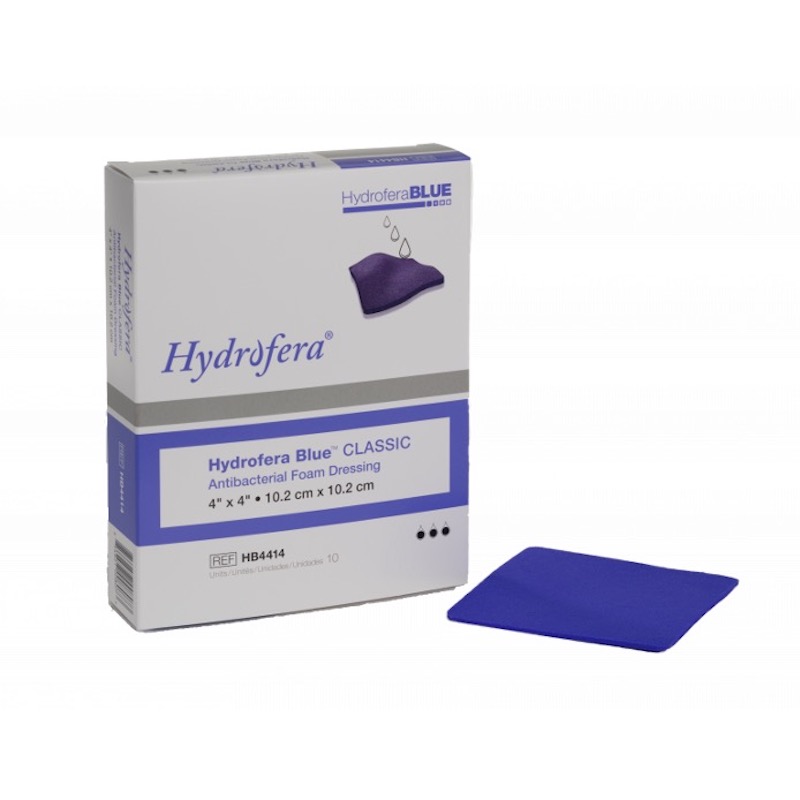
Hydrofera® Blue's products are effective in all phases of the healing process, helping patients get back to their lives, faster.

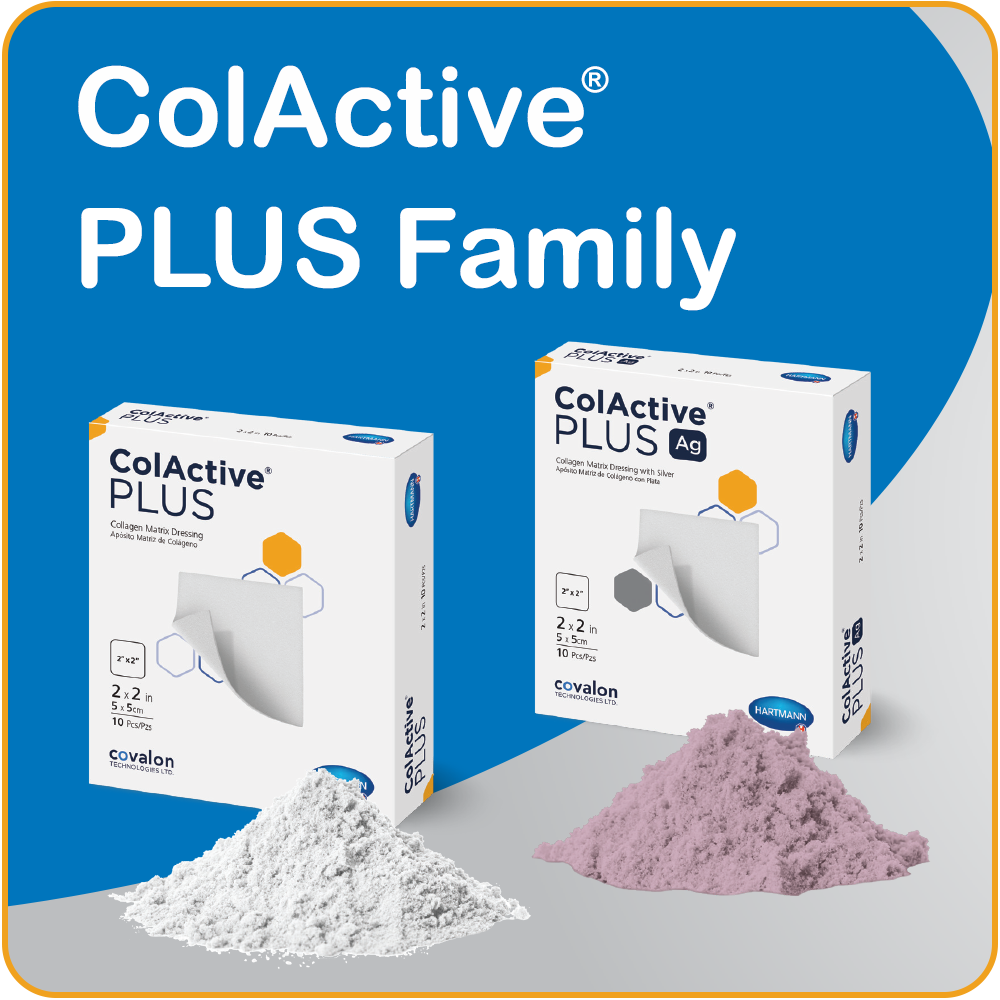
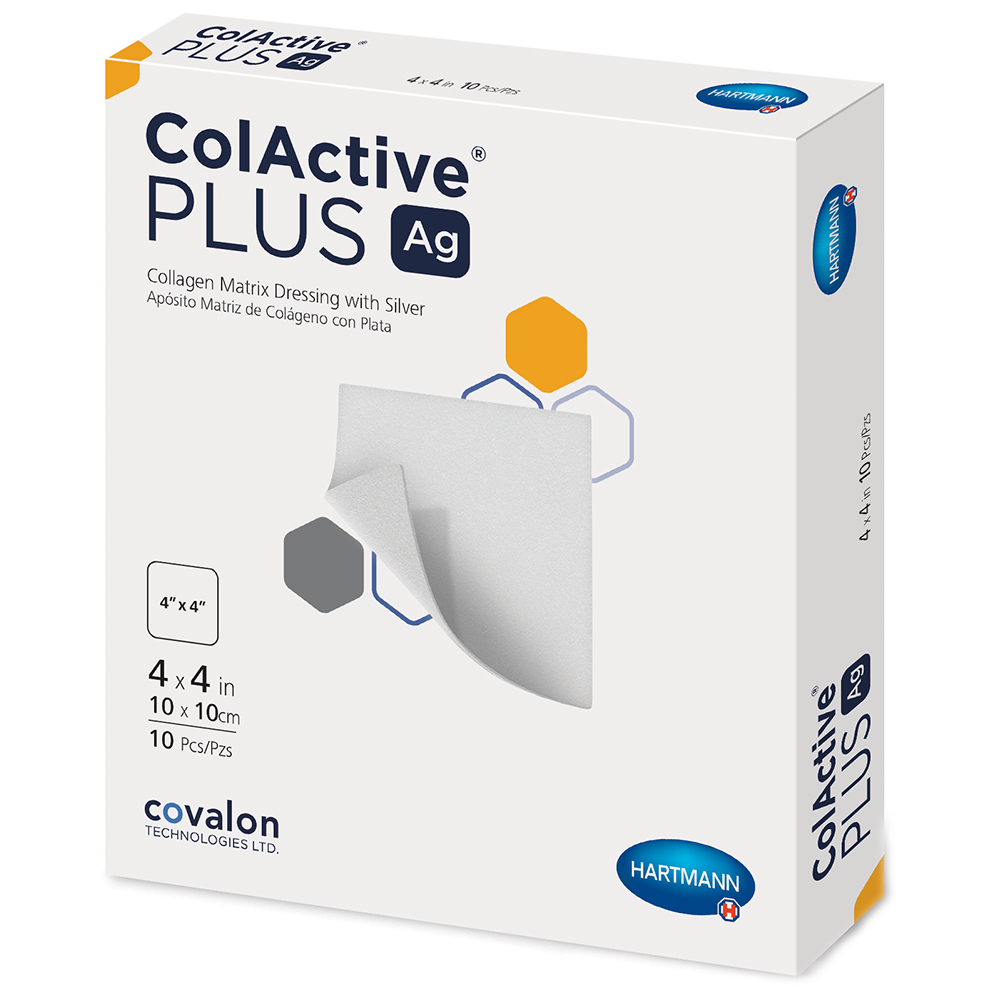
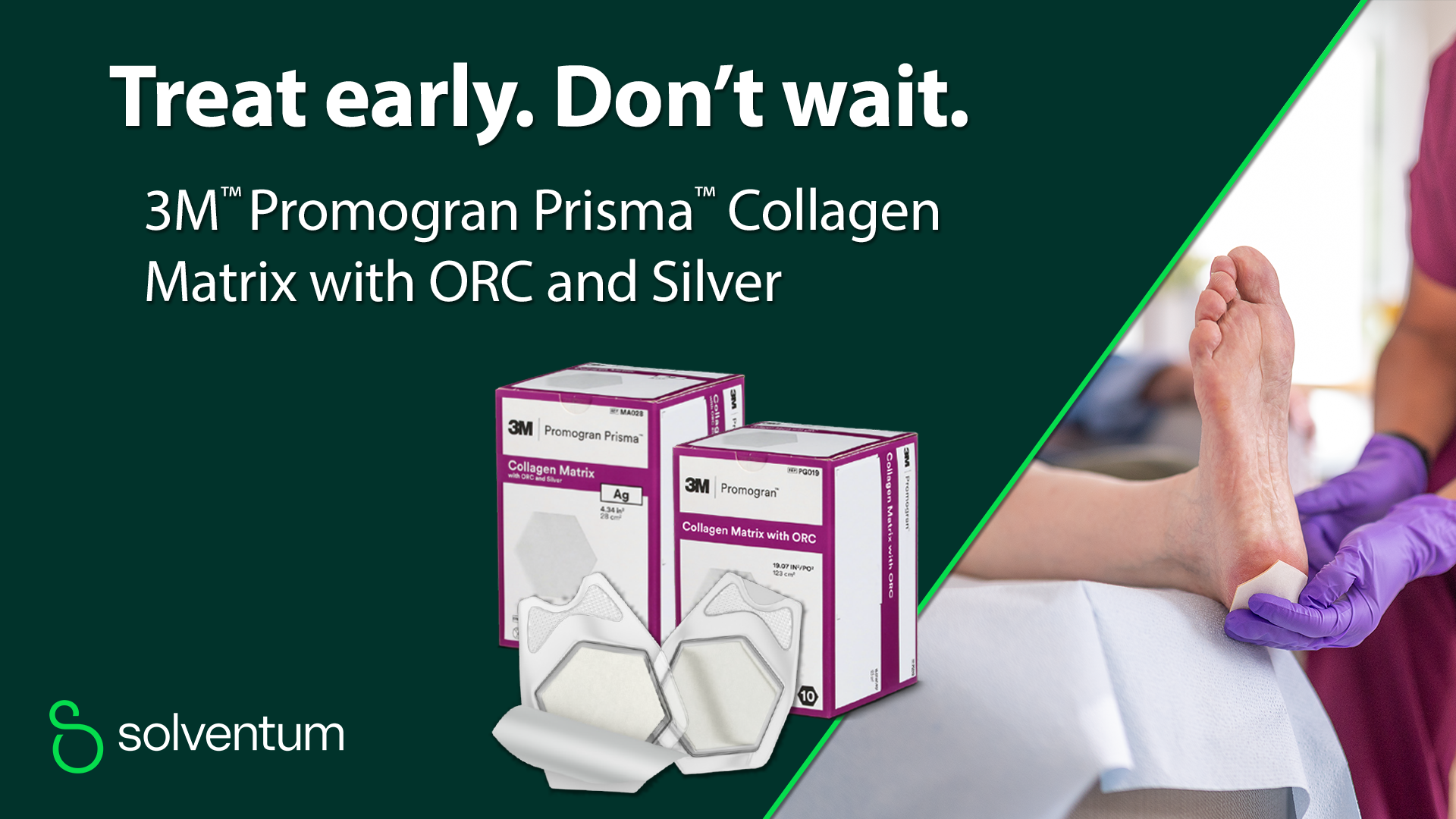
ColActive® Plus collagen wound dressing facilitates natural wound healing, maintains wound pH levels, and lowers excess MMP activity. Available in Ag.

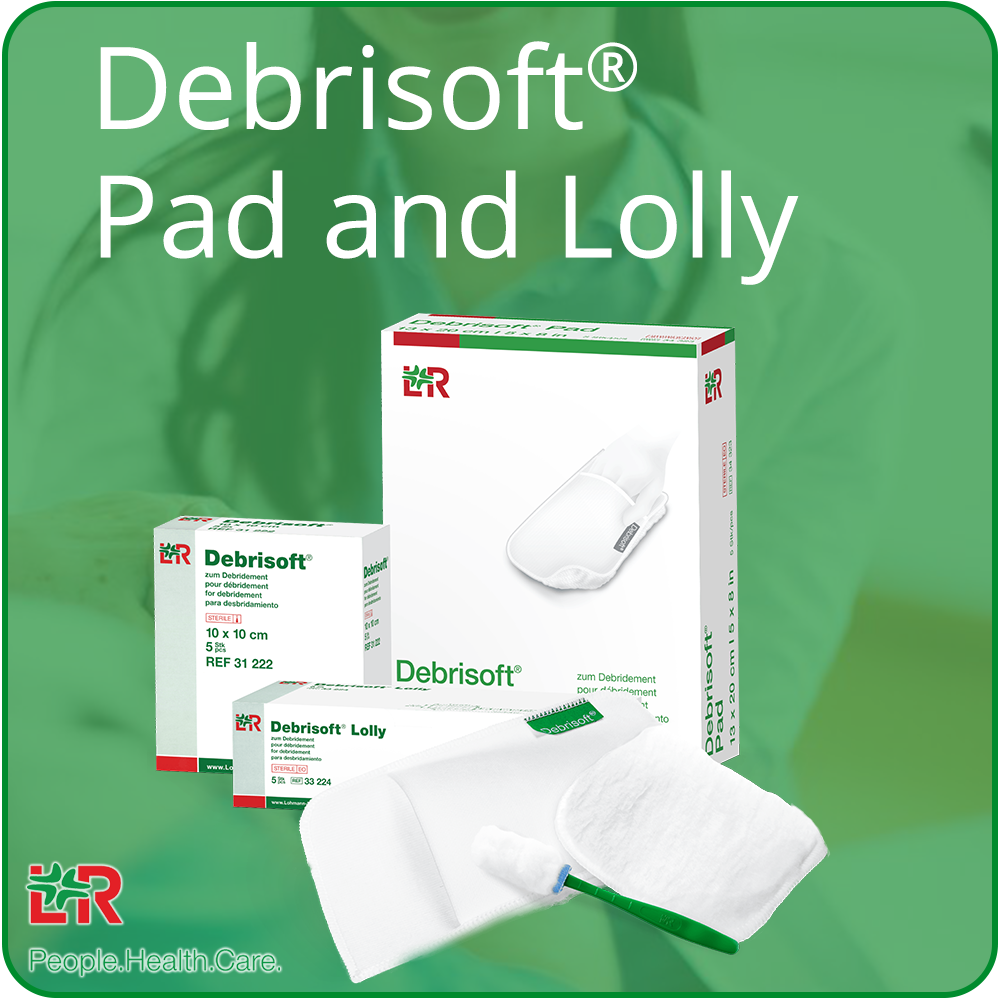
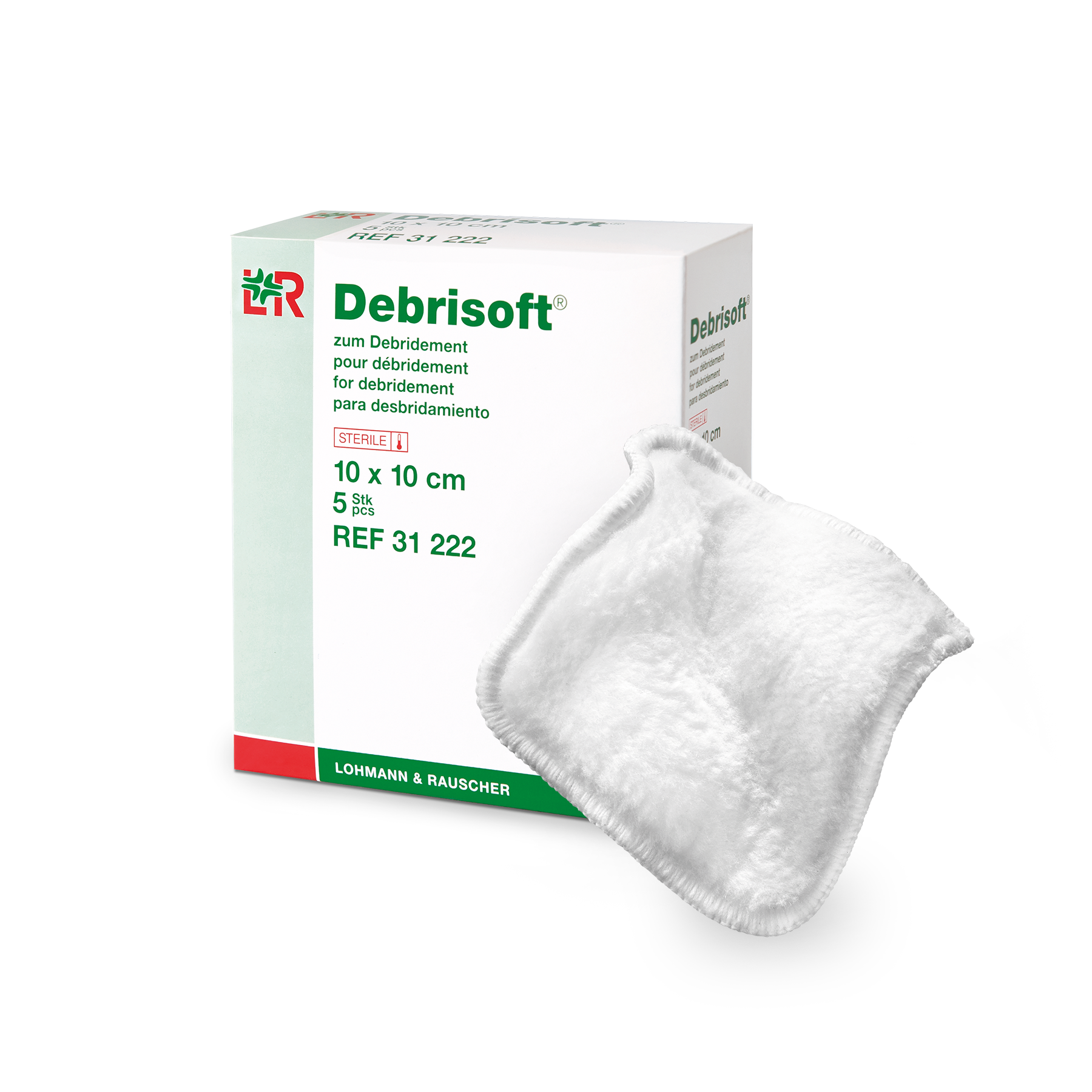
Debrisoft® Pads are ideal for cleansing wound surfaces and removing hyperkeratotic or dry skin, while Debrisoft® Lolly safely reaches deep, undermined, or tunneling areas where alternative debridement methods may be impractical.

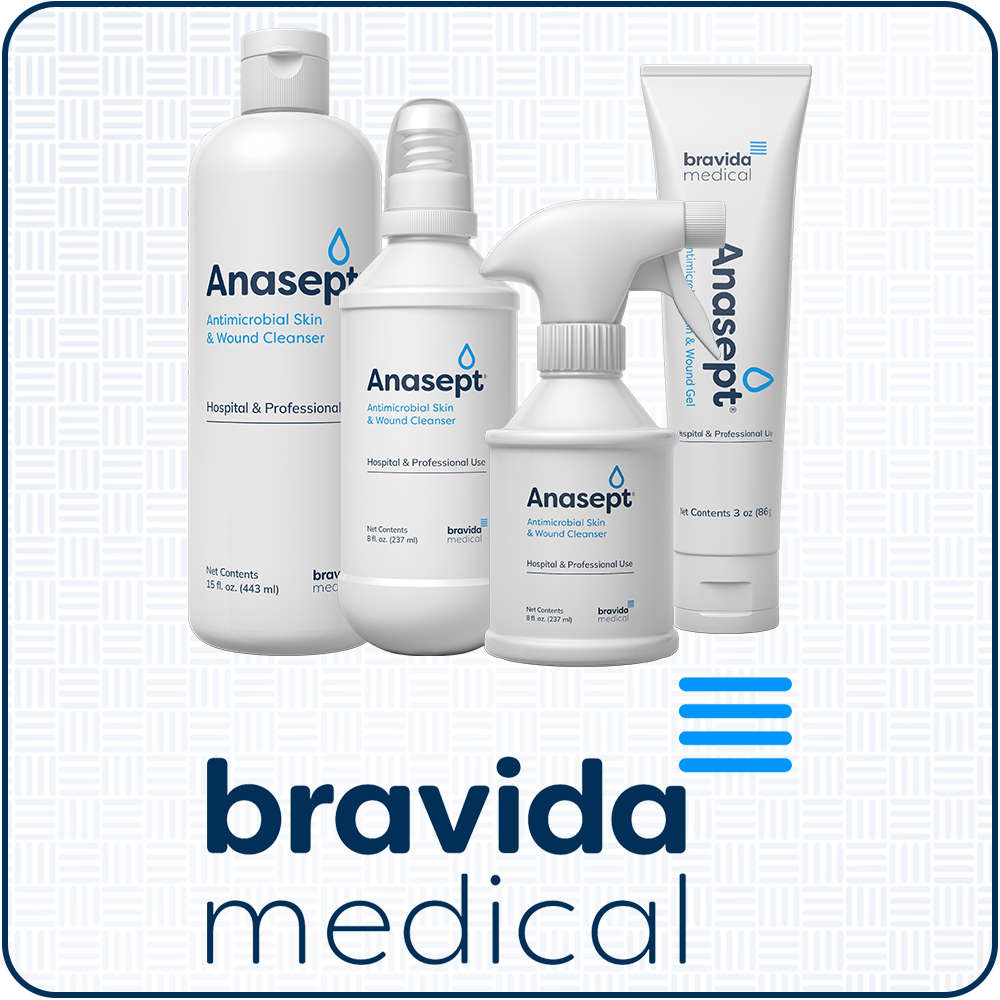
Bravida Medical's portfolio of wound care products are redefining what's possible, and are clinically proven to deliver uncompromising freedom and protection.

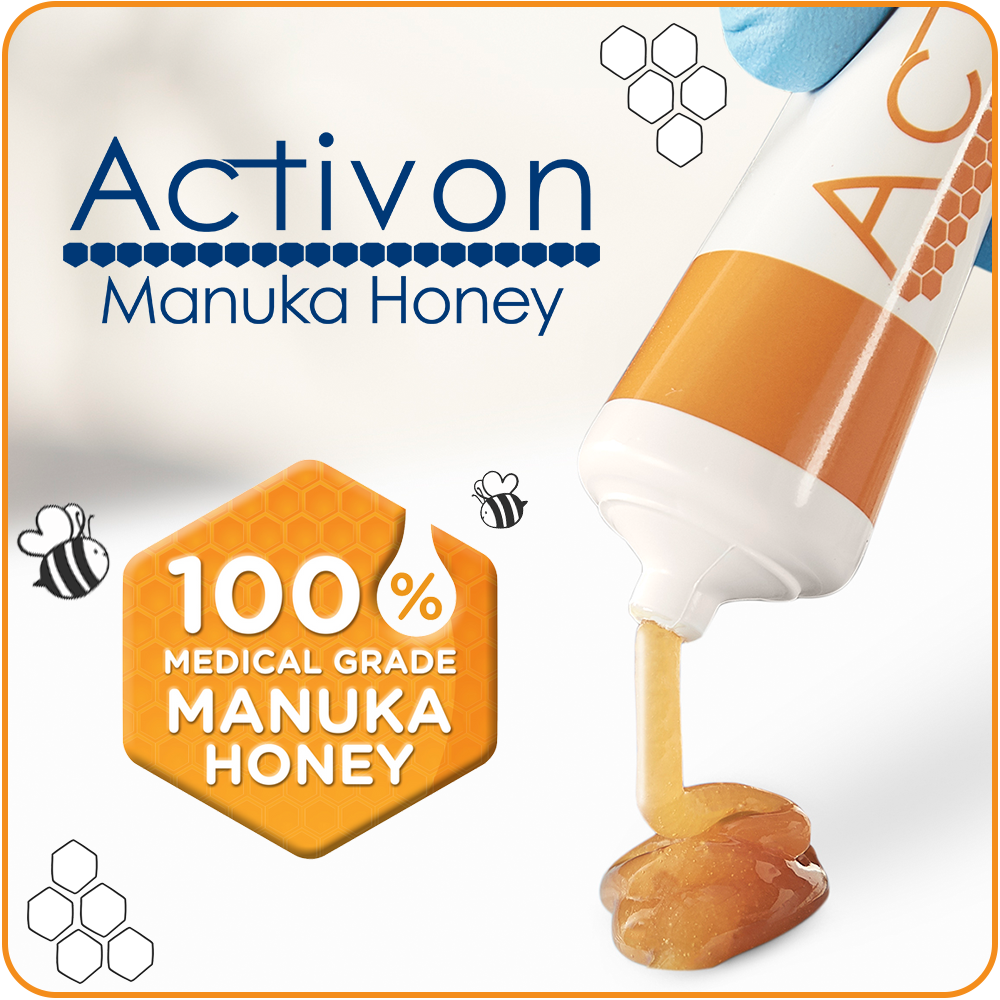
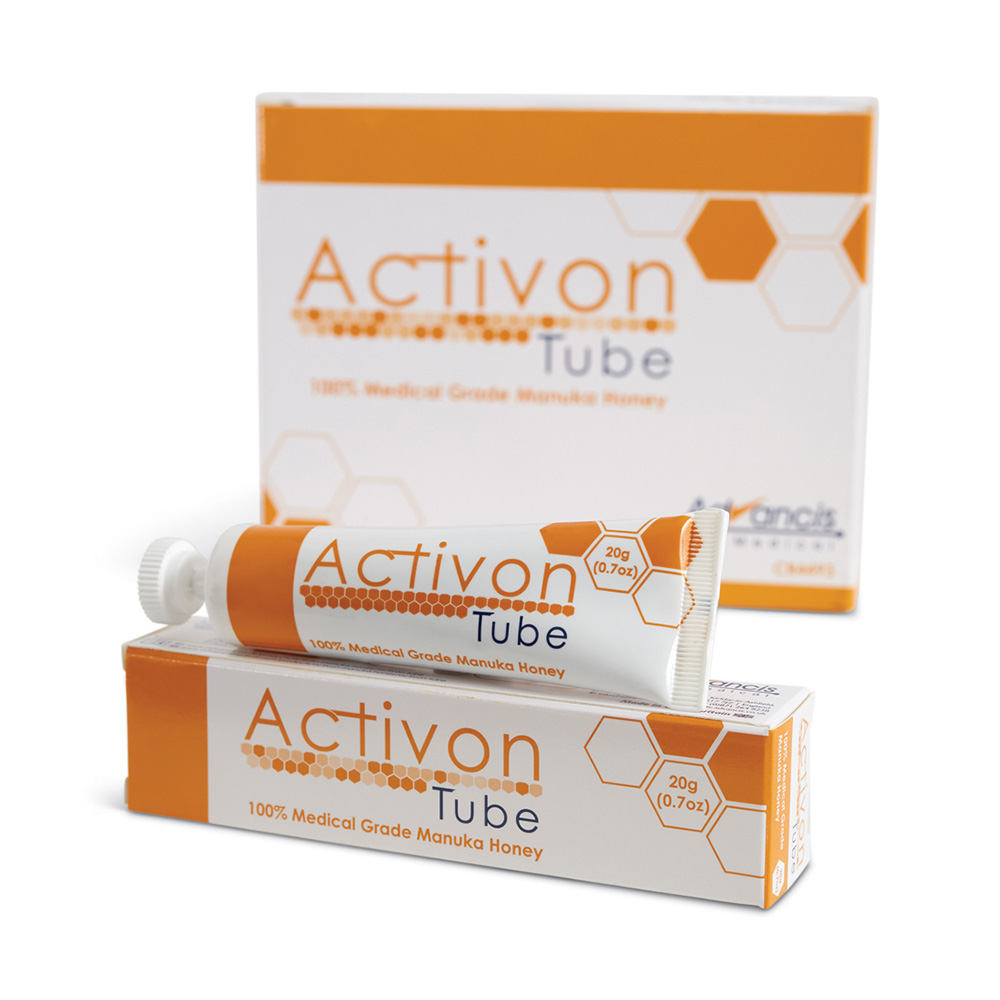
Activon 100% Manuka honey wound filler contains no additives, will de-bride and de-slough, eliminate odors and provide a moist wound healing environment for any type of wound.

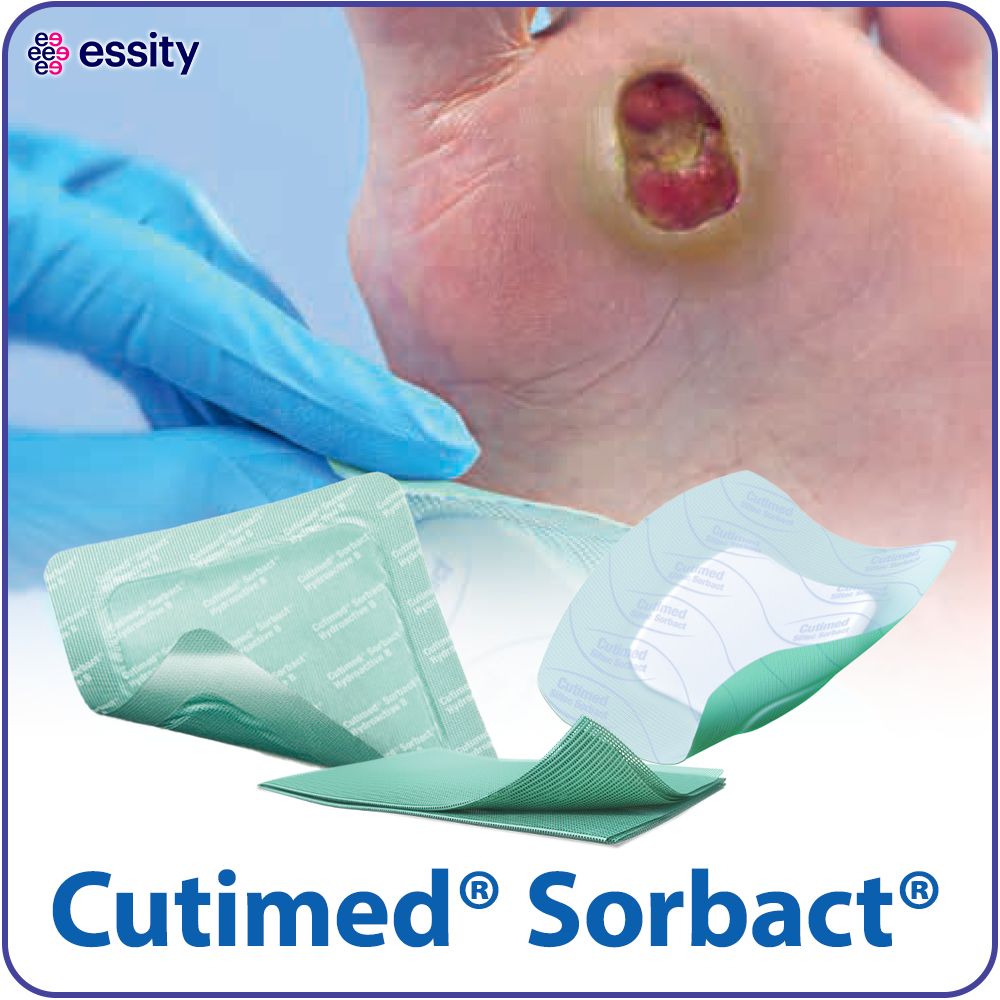
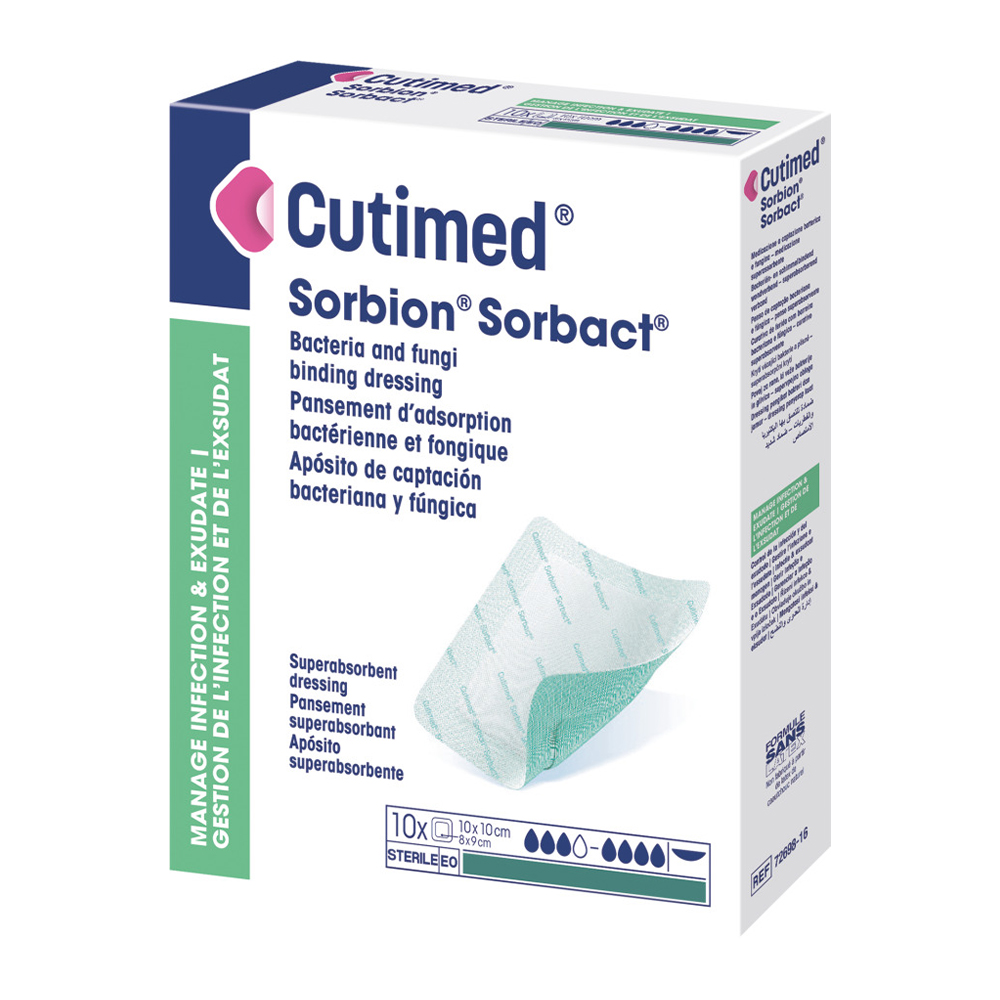
Cutimed® Sorbact® Dressings are versatile and effective in a variety of wound stages. It can be used to safely reduce bioburden in the short term, and also in the long-term treatment of already infected wounds.

TRADITIONAL VS. ADVANCED WOUND DRESSINGS

The single biggest decision in wound care is whether a wound needs a traditional or advanced dressing.

Feature Traditional Dressings Advanced Dressings
What they include Gauze pads, gauze rolls, bandages, adhesive strips, abdominal pads Foam, alginate, hydrocolloid, hydrogel, collagen, silver, transparent film dressings
How they work Physically cover and absorb; passive protection Actively manage moisture, promote cell growth, and deliver antimicrobials
Change frequency Every 1–2 days Every 3–7 days depending on type
Best for Minor cuts, scrapes, post-op incisions, packing material Chronic wounds, pressure injuries, diabetic ulcers, burns, surgical wounds
Cost Lower per unit Higher per unit, but fewer changes needed

For minor everyday injuries, traditional dressings do the job affordably. But for any wound expected to take more than a week to heal — or any chronic wound — advanced dressings consistently produce better outcomes with fewer dressing changes and less pain.

FEATURED PRODUCTS

TYPES OF ADVANCED WOUND DRESSINGS

Each advanced dressing type is engineered for a specific wound environment. Matching the right dressing to the wound's exudate level, depth, and infection status is the key to effective care.

FOAM DRESSINGS

Foam dressings are the workhorse of advanced wound care. They absorb moderate to heavy exudate while maintaining a moist wound environment, and their cushioning protects the wound from pressure and friction.

Browse all foam dressings →

COLLAGEN DRESSINGS

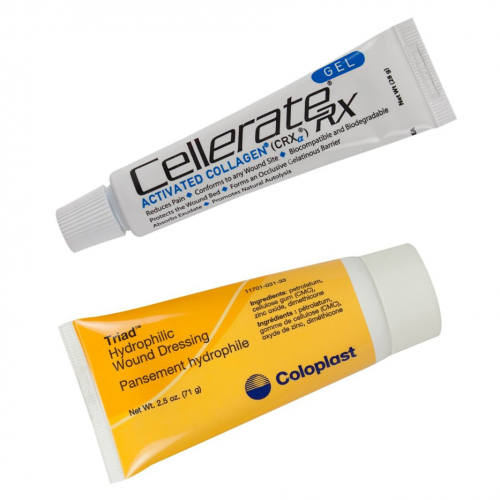
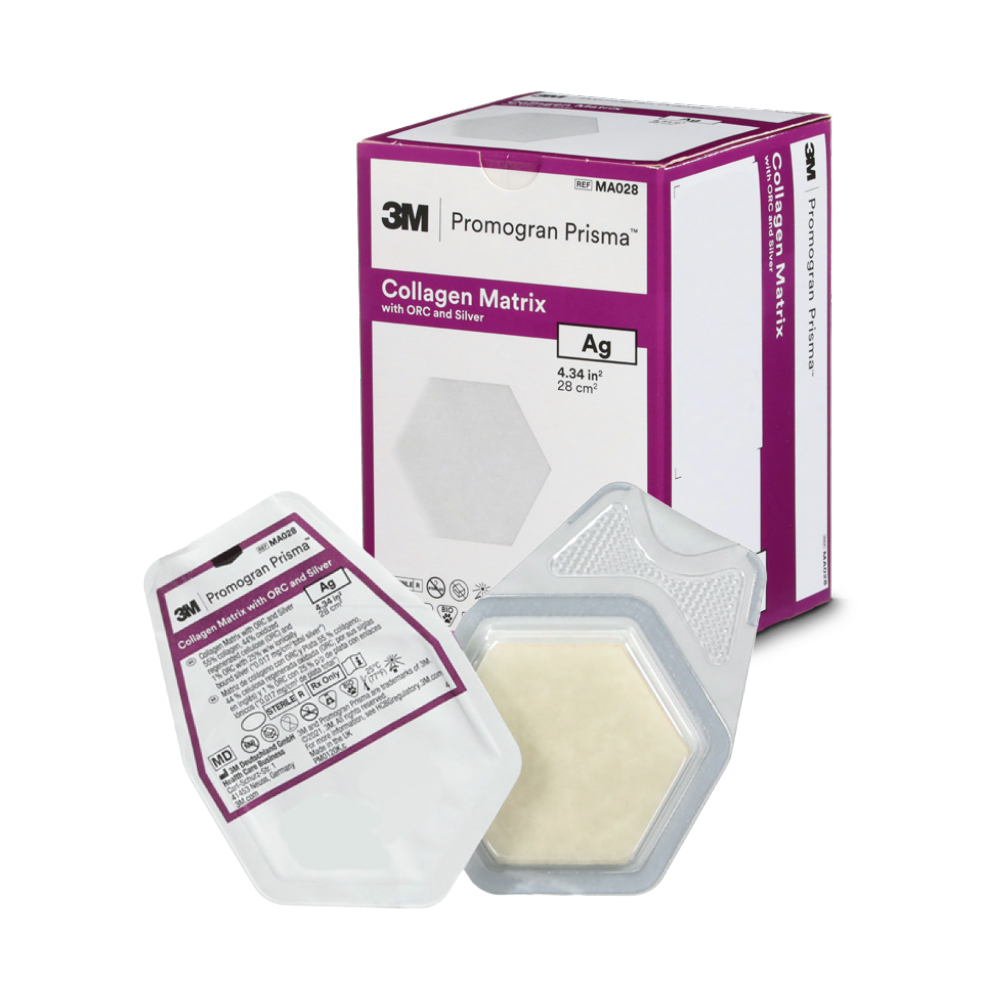
Collagen dressings provide a structural scaffold that supports the body's natural tissue repair. They're used for chronic wounds that have stalled in the healing process — particularly diabetic ulcers, venous ulcers, and pressure injuries.

Browse all collagen dressings →

HYDROGEL DRESSINGS

Hydrogels are water-based dressings that donate moisture to dry wound beds. They soothe pain on contact and are ideal for burns, radiation wounds, and dry or necrotic wounds that need rehydration.

Browse all hydrogel dressings →

ALGINATE DRESSINGS

Made from seaweed-derived fibers, alginates are highly absorbent dressings that gel on contact with wound fluid. They're ideal for heavily draining wounds and can absorb 15–20 times their weight in exudate.

Browse all alginate dressings →

HYDROCOLLOID DRESSINGS

Hydrocolloids form a gel when they absorb wound fluid, creating an optimal moist healing environment. They work best on low to moderately draining wounds and are waterproof.

Browse all hydrocolloid dressings →

SILVER & ANTIMICROBIAL DRESSINGS

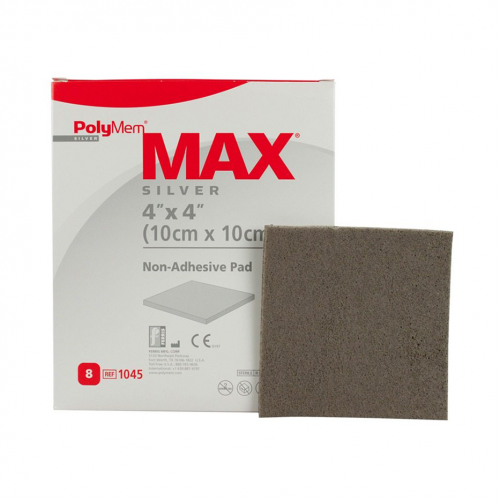
Silver dressings deliver broad-spectrum antimicrobial protection against bacteria, fungi, and some viruses. They're indicated for infected wounds or wounds at high risk of infection.

Browse all silver & antimicrobial dressings →

TRANSPARENT FILM DRESSINGS

Transparent films are thin, breathable, waterproof barriers that protect shallow wounds and IV sites while allowing visual monitoring without removal.

Browse all transparent film dressings →

SILICONE DRESSINGS

Silicone-based dressings use soft silicone adhesive that sticks to intact skin but won't adhere to the wound bed, enabling pain-free dressing changes. Ideal for patients with fragile or sensitive skin.

Browse all silicone dressings →

WOUND FILLERS

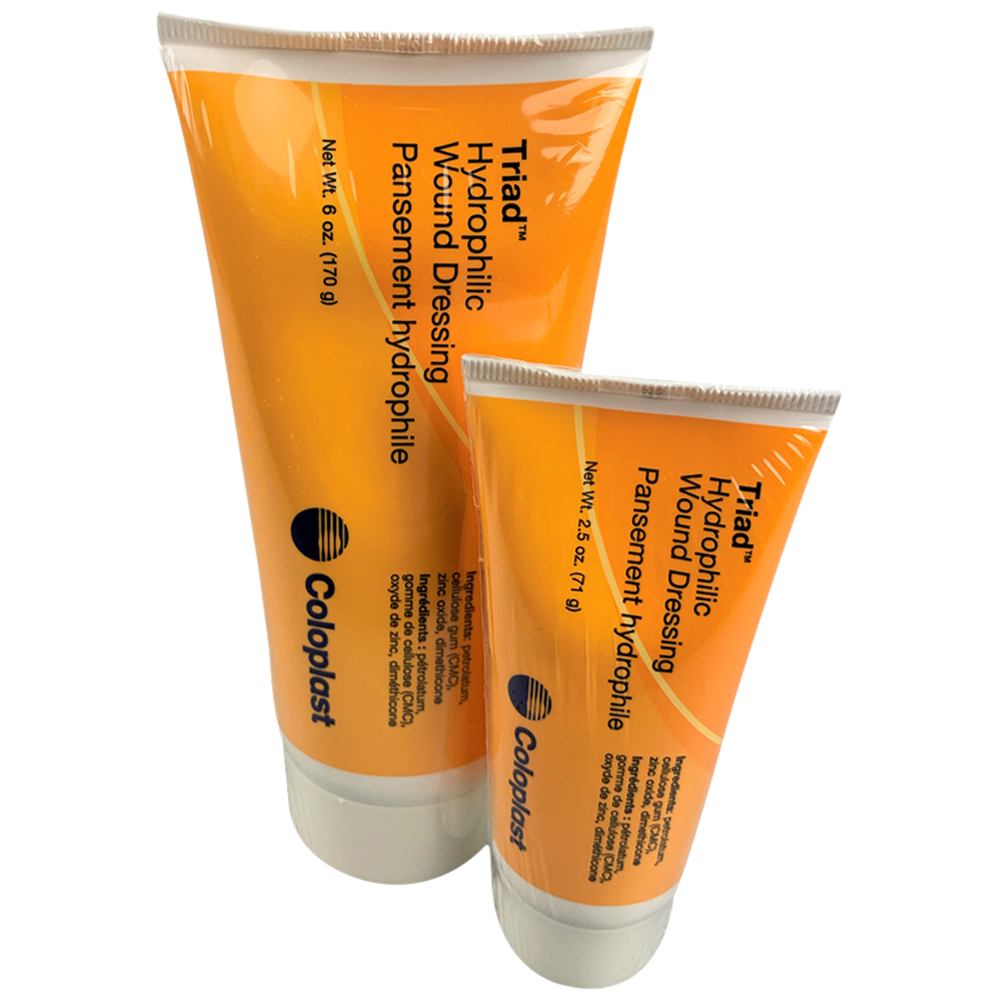
Deep, tunneling, or undermined wounds need to be filled before a cover dressing is applied. Wound fillers come as gels, pastes, ropes, and ribbons that conform to irregular wound cavities.

Wound Preparation & Cleansing

WOUND PREPARATION & CLEANSING

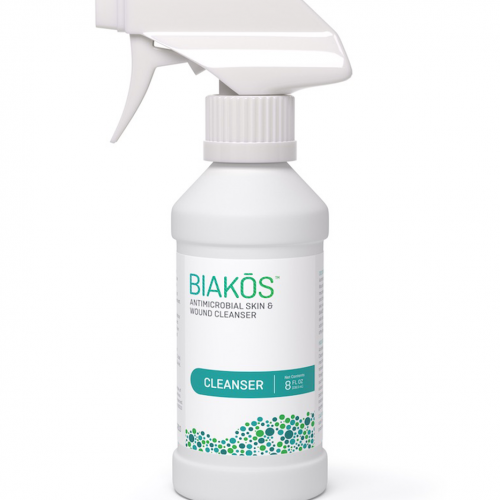
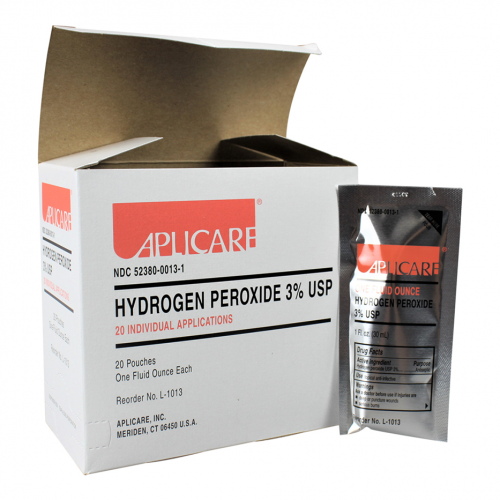
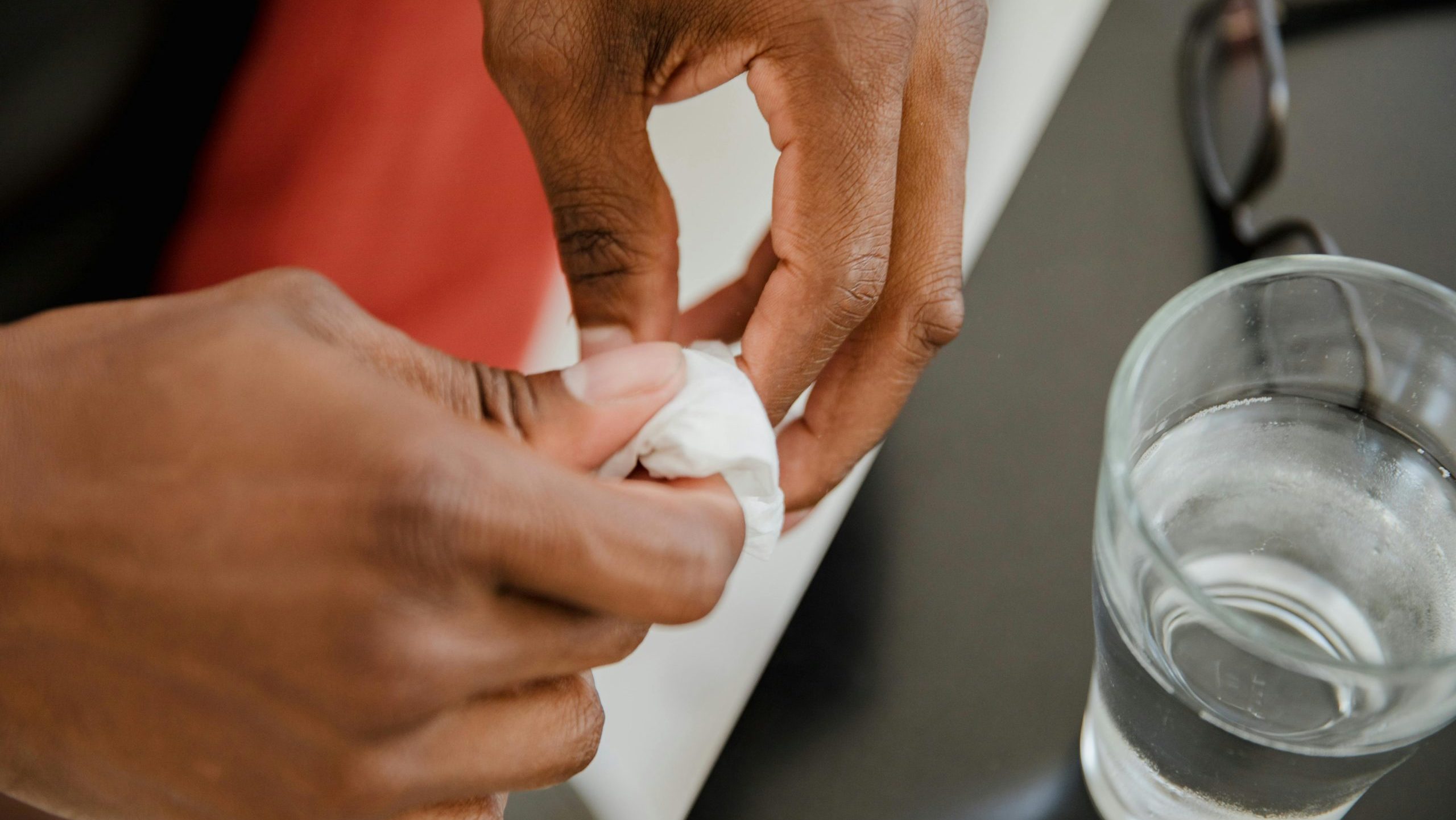
Before any dressing goes on, the wound bed needs to be clean. Proper wound prep removes debris, bacteria, and dead tissue so the dressing can do its job.

  • Vashe Wound Solution
  • Debrisoft Duo Pad
  • DAKIN'S Wound Cleansers
Medical Tapes & Dressing Fixation

MEDICAL TAPES & DRESSING FIXATION

Securing dressings properly prevents slippage and protects the wound from contamination.

  • 3M Medipore H Soft Cloth Tape
  • 3M Micropore Surgical Tape
  • 3M Coban Self-Adherent Wrap
Compression Therapy

COMPRESSION THERAPY

Compression is the standard of care for venous leg ulcers and chronic lower-extremity edema.

  • 3M Coban 2 Layer Compression System
  • Coban 2 Layer Lite
  • CoFlex TLC Zinc Lite

QUICK REFERENCE:

MATCHING DRESSINGS TO WOUND TYPES

Wound Characteristic Recommended Dressing Type Top Product
Low exudate, shallow Hydrocolloid or transparent film DuoDERM Extra Thin
Moderate exudate Foam dressing Mepilex Border Flex
Heavy exudate Alginate or superabsorbent Aquacel Ag Advantage
Dry wound bed Hydrogel Regenecare HA Wound Gel
Deep or tunneling Wound filler + cover dressing PROMOGRAN PRISMA Rope
Infected or at-risk Silver or antimicrobial dressing Mepilex Border Ag
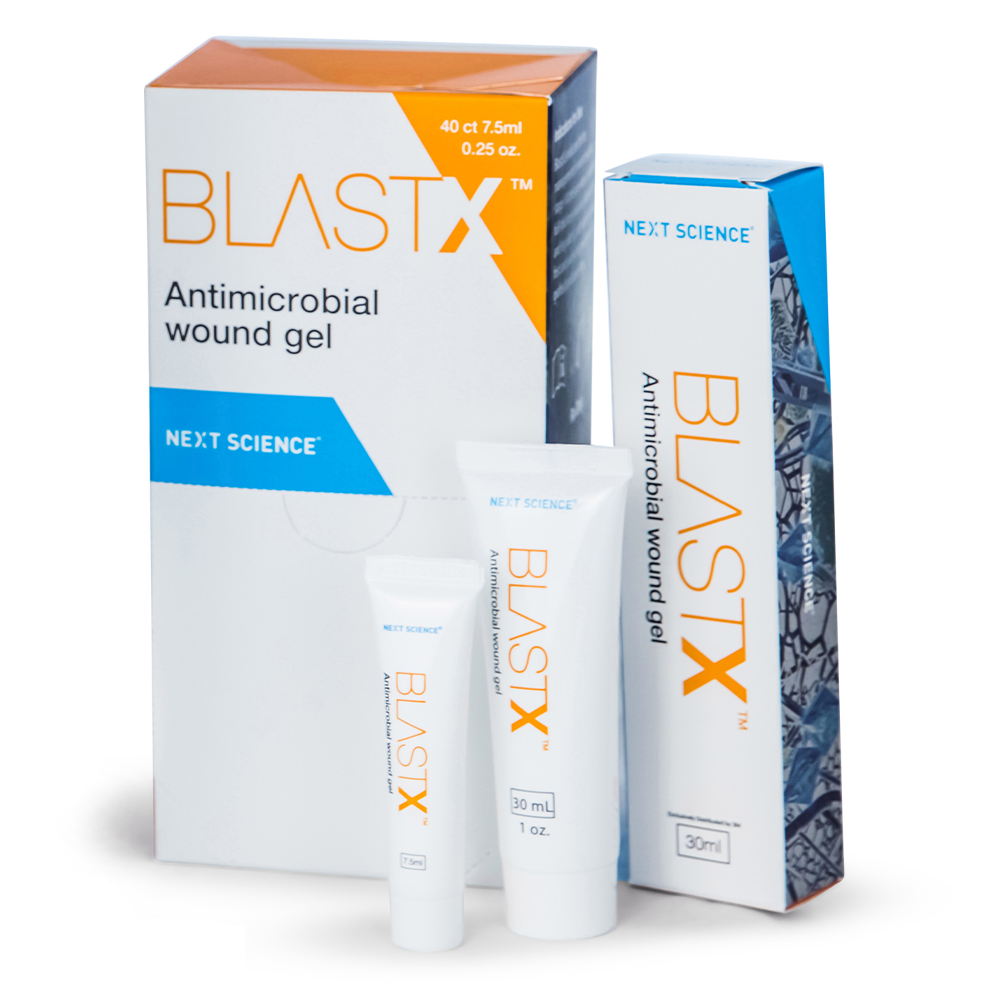
Biofilm present Biofilm-disrupting agent BlastX Antimicrobial Gel
Stalled chronic wound Collagen dressing PROMOGRAN PRISMA Matrix
Fragile or sensitive skin Silicone dressing Proximel Silicone Foam
Venous leg ulcer Compression + primary dressing Coban 2 Layer System

Latest Blogs

Wound Care Tradition

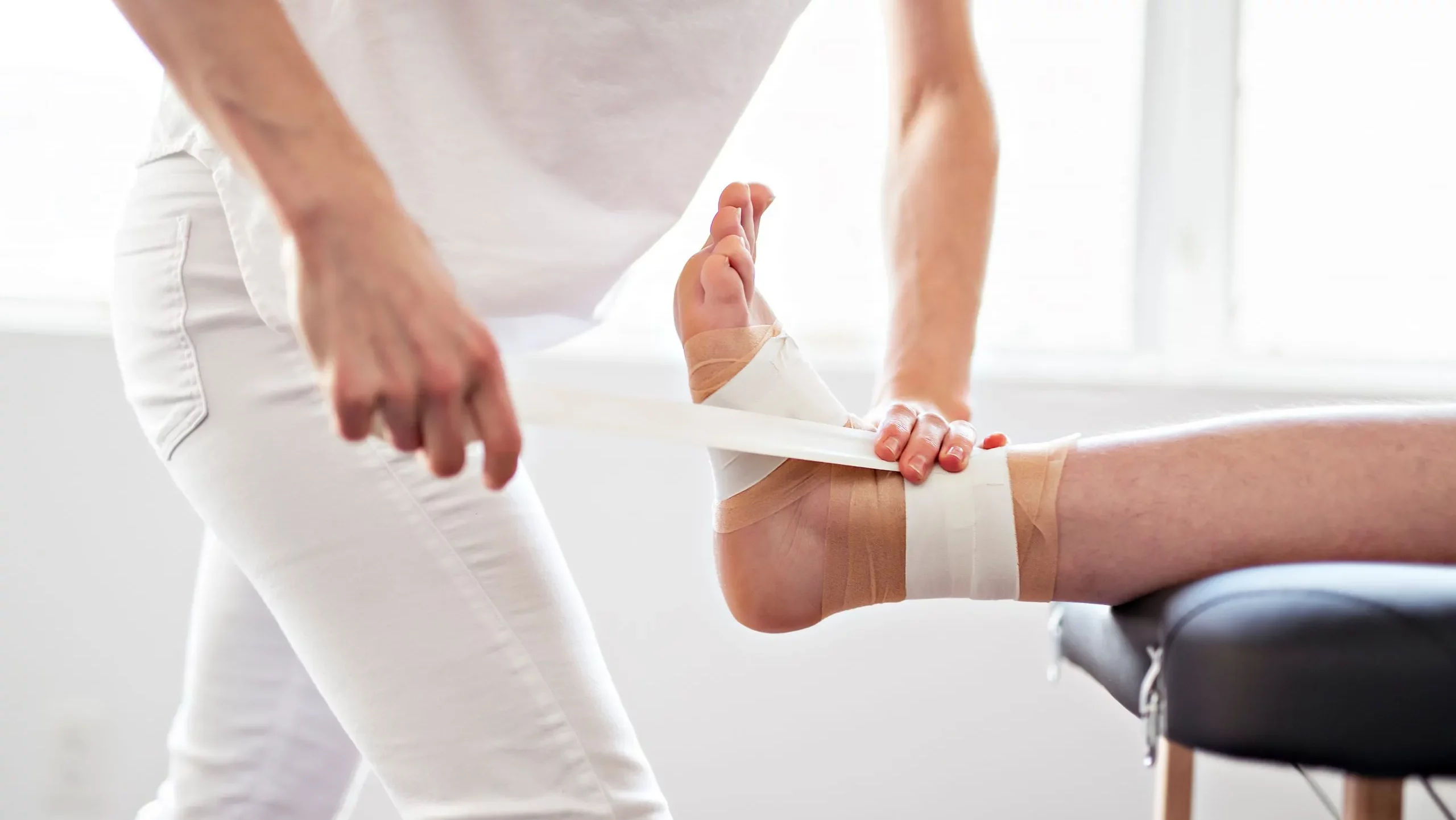
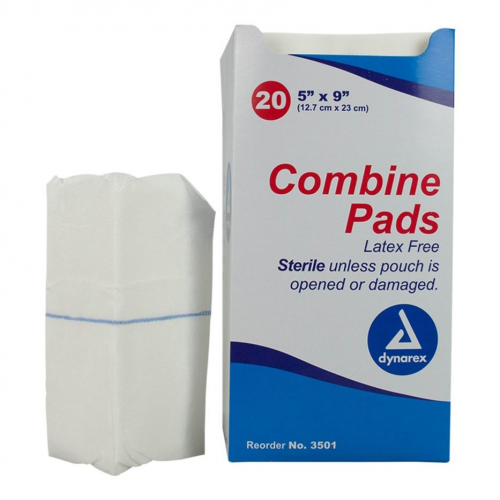
>Wound care is a universal need. Everyone has experience with wound care products in one way or another, be it with first-aid supplies, simple drug store bandages, or basic gauze, tapes and other dressing retention. Medical Monks is your go-to medical supply store for these types of traditional wound care products, including bandages by Kerlix, Coban and Curity, plus ABD pads by Combine and Sorbalux. You’re just a few clicks away from affordable wound care products to treat everyday issues like cuts and scrapes, or minor sprains, burns and abrasions.

Advancing Wound Care

When more serious issues arise, Medical Monks still has you covered. We have a world-class selection of advanced wound dressings, applicable to a large variety of conditions, and deeply discounted. You’ll find foam and silicone dressings, along with alginates, for managing drainage of deep, highly-exuding wounds. Browse all the great deals on trusted brands like Aquacel, Hydrofera, Polymem, Mepilex, and Proximel!

When mechanical absorption is required, such as when managing a post-op incision site, shop our selection of negative pressure products from brands like Avelle.

For less deep, yet still serious conditions like cuts, abrasions, ulcers and burns, there are even more options. Hydrocolloid dressings, contact layers and transparent films, from brands like Nu-Derm, Tegaderm and Adaptic, protect the wound bed from infection as they promote faster healing.

Managing Infection

If infection control is what you require, silver dressings, like Silvercel or Aquacel AG, are a must. Silver is used in wound care for its extraordinary antimicrobial properties. As such, it tends to be impregnated into multiple types of dressings, from absorbent alginates to topical gels. Similarly, hydrogel dressings, honey dressings, impregnated gauze and more, can serve multiple purposes depending on their form.

For wounds that fester and are difficult to heal, such as diabetic ulcers or severe bed sores, consider biologically-engineered solutions. Our selection of collagens, extracellular matrices, and wound fillers are designed to help boost debridement and other beneficial processes, leading to quicker, more complete healing. Compression products, such as unna boots and multi-layer compression systems, can also help with difficult wounds by increasing blood flow and circulation to the affected area.
Regardless of your wound care needs, Medical Monks will help patch you up and send you on your way!

HOW TO CHOOSE THE
RIGHT WOUND CARE SUPPLIES:

A STEP-BY-STEP GUIDE

STEP 1: ASSESS THE WOUND
Start with the basics: What type of wound is it (surgical, pressure injury, diabetic ulcer, burn, laceration)? How deep is it? Is there tunneling or undermining? What color is the wound bed — red (granulating), yellow (slough), or black (necrotic)?

STEP 2: EVALUATE EXUDATE LEVEL
Exudate (wound drainage) is the single biggest factor in dressing selection. Low-exudate wounds need moisture-donating dressings like hydrogels or hydrocolloids. Moderate-exudate wounds call for foam dressings. High-exudate wounds require alginates, hydrofibers, or superabsorbent dressings.

STEP 3: CHECK FOR INFECTION
Signs of wound infection include increased pain, redness spreading beyond the wound edges, warmth, swelling, purulent (yellow-green) drainage, and odor. If infection is present or suspected, choose a dressing with antimicrobial properties.

STEP 4: CONSIDER THE WOUND LOCATION
Wounds on joints, heels, and sacrum need conformable, bordered dressings that stay in place during movement. Wounds under compression wraps need thin primary dressings that won't add bulk.

STEP 5: ACCOUNT FOR SKIN SENSITIVITY
Repeated dressing changes on fragile skin (elderly patients, patients on steroids, irradiated skin) can cause more damage than the wound itself. Use silicone-adhesive dressings or non-adhesive dressings secured with gentle tapes.

STEP 6: CHECK INSURANCE COVERAGE
Many wound care supplies are covered under Medicare Part B as surgical dressings when prescribed by a physician. HCPCS codes A6196–A6461 cover dressings from gauze to advanced foams and alginates. Many products are eligible for FSA/HSA reimbursement.

SHOP WOUND CARE SUPPLIES BY CATEGORY

  • Advanced Wound Dressings — foam, alginate, hydrocolloid, hydrogel, collagen, silver, transparent film, and silicone dressings. Each subcategory links to dedicated product pages.
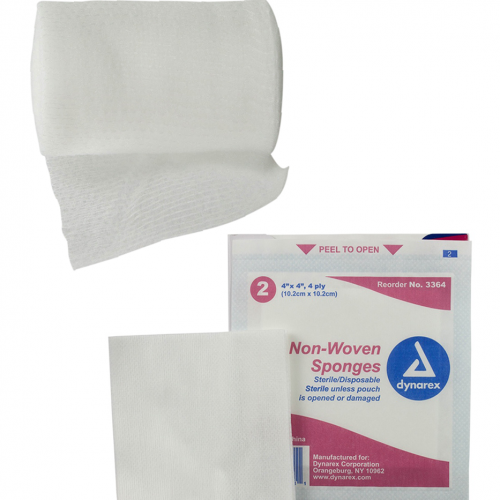
  • Traditional Wound Care — gauze, bandages, abdominal pads, and non-adherent dressings.
  • Gauze — sterile and non-sterile gauze pads, rolls, and sponges.
  • Bandages — elastic wraps, cohesive bandages, and compression bandages.
  • Wound Fillers — gels, pastes, ropes, and ribbons for deep and tunneling wounds.
  • Wound Prep & Cleansing — wound cleansers, antiseptics, and debridement products.
  • Medical Tapes — paper, cloth, silk, and transparent tapes for dressing fixation.
  • First Aid — adhesive bandages, first aid kits, and basic wound care supplies.
Shop Wound Care Supplies

FREQUENTLY ASKED QUESTIONS
ABOUT WOUND CARE SUPPLIES

Traditional dressings like basic gauze, rolls, and adhesive bandages focus on passively covering an injury and absorbing surface-level drainage. Advanced wound dressings (such as foams, hydrocolloids, alginates, and hydrogels) actively interact with the wound environment. They are engineered to maintain an optimal moisture balance, promote cellular growth, deliver therapeutic agents like silver, and require less frequent changes, making them essential for complex or slower-healing wounds.

Choosing the correct dressing depends on evaluating key characteristics of your wound. You must match the product to the wound's exudate volume (heavy drainage requires absorbent options like alginates or foams, while dry beds need moisture-donating hydrogels), depth (tunneling wounds require specialized fillers), location, and whether an active infection is present requiring antimicrobial protection.

Change frequency varies significantly by category. Traditional gauze dressings usually require daily or twice-daily adjustments to maintain a clean environment. Many advanced specialty products are designed to remain applied comfortably for 3 to 7 days, allowing undisturbed tissue growth unless the material becomes entirely saturated, loses its outer seal, or begins leaking fluid.

Silver wound dressings have ionic silver embedded directly into their matrix material, delivering broad-spectrum antimicrobial defense against heavy bacteria loads, fungi, and specific viral strains. They are primarily indicated when an open area shows signs of local infection—such as unexpected pain, spreading redness, distinct odor, or thick discharge—or when a patient faces heightened systemic infection risks.

Yes, many surgical and advanced primary dressings are covered under major insurance frameworks, including Medicare Part B, when categorized as Durable Medical Equipment (DME). For these supplies to qualify, they must be explicitly prescribed by a licensed physician to treat a documented, qualifying open wound condition.

Moist wound healing is a clinical approach based on keeping a wound tissue bed hydrated rather than allowing it to dry out and form a hard scab. Maintaining a balanced, humid setting accelerates healthy cellular migration, protects delicate local nerve endings to minimize persistent pain, reduces long-term scarring, and prevents new cell layers from tearing away during routine dressing removals.

Managing pressure injuries requires a combined approach of physical offloading and targeted skin management. You must eliminate the underlying friction or pressure by repositioning frequently, cleansing the tissue using a non-irritating saline solution, and applying protective barrier products or specialized conformable foam pads that absorb localized impact forces while keeping environmental contaminants away.

A dependable home medical kit should feature structural layers for multi-stage management. Ensure your kit includes sterile gauze configurations for packing or direct coverage, non-adherent primary non-stick pads, high-flexibility compression or retention bandages, medical-grade fixative tape, no-sting saline cleansers, and basic instruments like medical scissors and gloves to protect application steps.

SHARE YOUR CART