Purulent drainage remains part of the body’s healing process, where its existence is likely a sign of an underlying infection within a wound. As wounds heal, they often discharge several different fluids or “exudate,” as the body attempts to heal naturally.
Usually, purulent drainage is the body’s natural response to an infection in the wound, where a thick and glossy ooze arrives directly on the surface of the skin, sometimes with white pus or shades of green. Healthcare professionals and caregivers can spot the signs of purulent drainage due to its foul smell, signaling the need for additional care to prevent the infection from worsening.
What is Purulent Drainage?
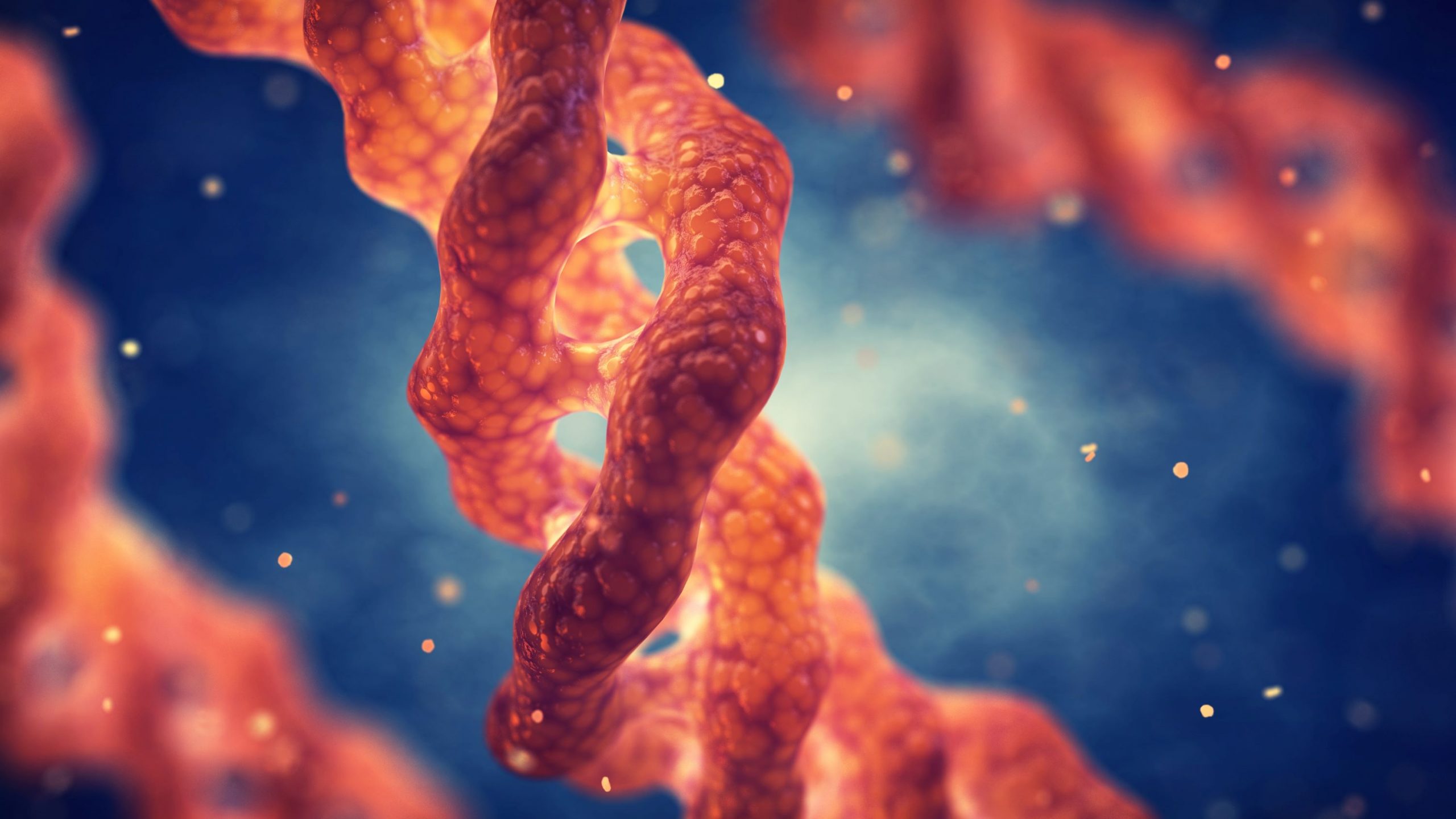
The thick and cloudy fluids that can appear in a wound are formally called Purulent Drainage. It’s composed of a mixture of white blood cells, infectious bacteria, and dead skin cells. It’s the human body’s immune response to an infection within a wound.
Purulent drainage can have a variety of different colors and foul smells, appearing deep in cuts, scrapes, or surgical wounds of all kinds. It is often considered a sign that there is an infection in the wound, requiring further evaluation from a medical professional. Oftentimes, antibiotics are required to clear the infection completely and prevent it from spreading further.
Purulent drainage is different from normal wound exudate or “serous drainage.” Wounds with standard exudate often see a clear and thin watery layer appearing over the wound, without any foul smell. This is considered a regular part of the body’s healing process, and often is not considered a sign of infection in the wound itself.
Explore Helpful Resources on Behalf of Medical Monks
Browse through our online resources to help you better understand and learn more about wound care.
Important Causes & Risk Factors
Purulent drainage usually appears because bacteria have made their way into a wound during the healing process. The body attempts to push back on germs or infection when they arrive in a wound, with the arrival of purulent drainage as a result. Wounds that are dirty, improperly cleaned, or have been treated with unsanitized medical equipment could all result in the arrival of purulent drainage.
Left untreated, purulent drainage can result in an infection spreading, preventing a wound from properly healing. In some cases, such an infection can spread throughout the body, including into the bloodstream, known as Sepsis. This can result in significant pain, but also cause serious complications for the entire body, sometimes with life-threatening implications. Infections left untreated can sometimes cause a patient to experience fevers or chills, sometimes simply feel unwell.
Woundcare Signs You Shouldn’t Ignore
Caregivers and healthcare professionals can spot the arrival of purulent drainage through regular wound care during the re-dressing of the wound. Signs include the arrival of a thick and milky substance, with tinges of brown, yellow, white, or green. Should a wound become especially foul-smelling, it is likely time to seek out specialized care.
Diligently clean all wounds and take steps to actively prevent infection and provide a clean and sanitary wound healing environment. Do not ignore the signs of purulent drainage, and instead speak with a qualified health professional who can further assist.
Managing Woundcare at Home
Some wounds can be cared for at home, especially small or minor wounds.
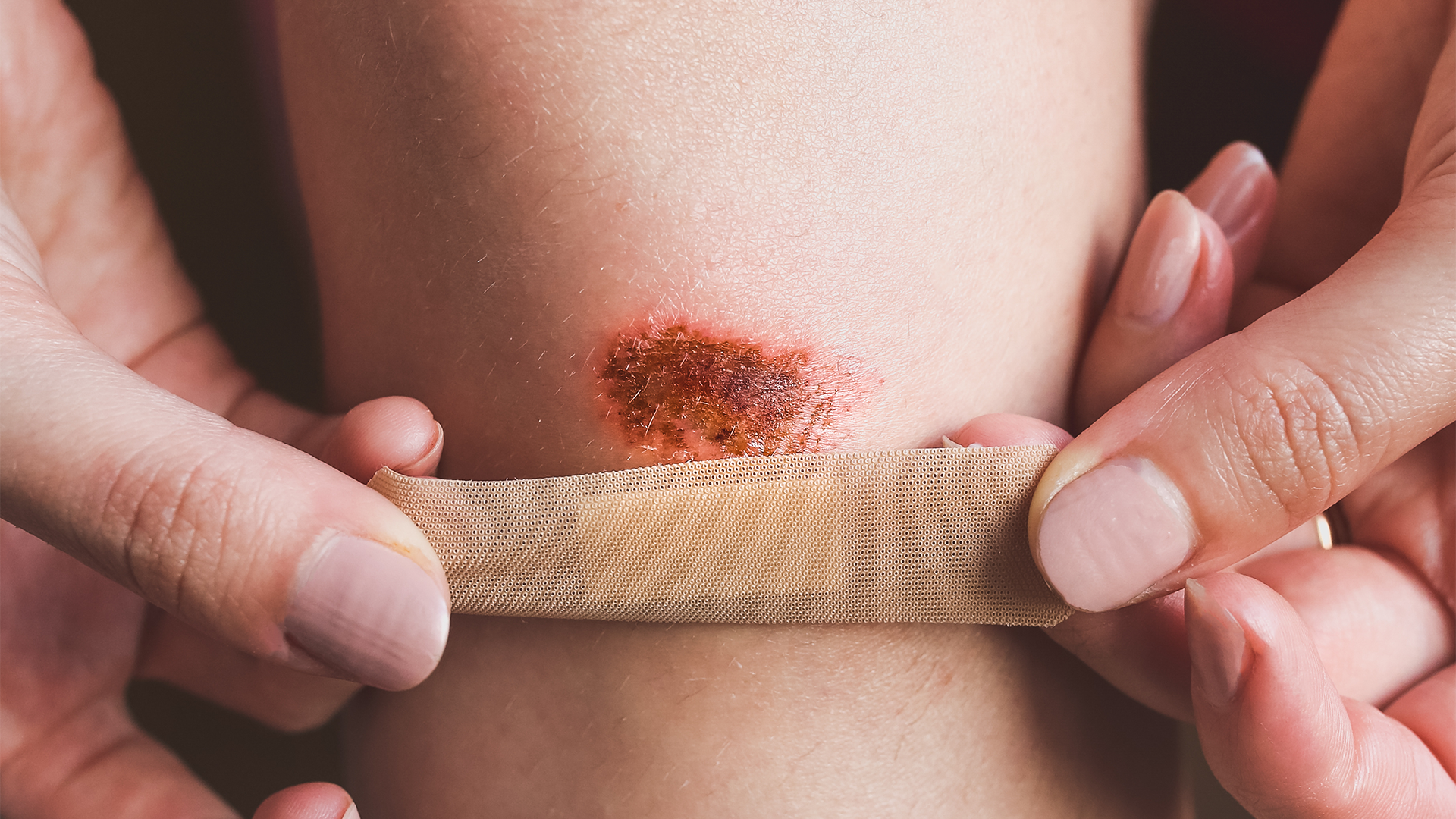
However, wounds of all kinds require careful cleaning and redressing about once a day, depending on the size or nature of the wounds. Always thoroughly wash your hands and use fresh bandages or dressings when handling any kind of wound. Rinse the wound gently, apply a wound care ointment, and administer a fresh dressing. The goal is to create a moist healing environment free from bacteria. Should any sort of debris or dirt be present in the wound, it will first need to be carefully removed prior to redressing the wound.
Carefully monitor the wound when redressing and work to spot signs of infection, including the presence of purulent drainage, before it leads to greater complications. Remain dedicated to redressing and cleaning the wound each day.
When to Contact a Healthcare Provider
Those who are concerned about the risk of infection in a wound should speak with a qualified healthcare professional as soon as reasonably possible. Should signs of purulent drainage persist or a wound fail to progressively heal, seek out additional care.
You should contact a healthcare provider if a wound persistently bleeds without signs of stopping, is exceptionally painful, or has a strong and foul odor. Swelling or redness in and around a wound may also be a sign of an underlying infection. Sometimes, red streaks may appear throughout the wound, calling for specialized medical care. Any sign of dark or black tissue, or if there is no improvement in the healing of the wound, should warrant a call or visit to a healthcare professional.
Any time you are unsure if a wound is properly healing or there is a risk of infection, speak to a healthcare professional. Wounds are serious matters and require careful care; take issues seriously before they turn into more serious medical concerns.
Look To Medical Monks For Medical Grade Wound Care Products
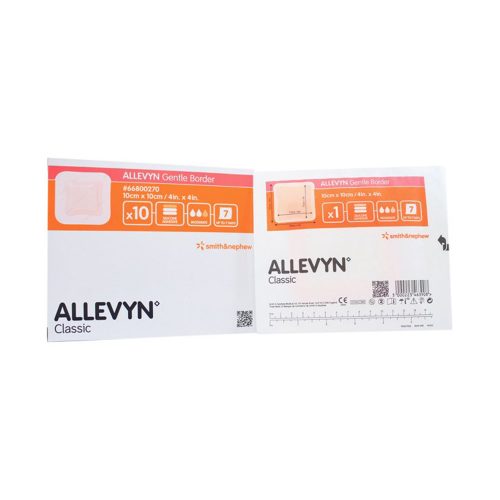
Medical Monks remains your source for wound care products, including dressings, bandages, ointments, and much more, all intended to help wounds heal efficiently while reducing the risks of infection. Explore our online wound care products suitable for healthcare providers and caregivers across the United States.
Explore our long line of offerings from carefully curated manufacturers known for offering safe and effective wound care products. Follow along on social media, including Facebook and Instagram.
Have more questions? Contact Medical Monks directly to learn more.

The MEDICAL MONKS STAFF brings to the table decades of combined knowledge and experience in the medical products industry.
Edited for content by JORDAN GAYSO.