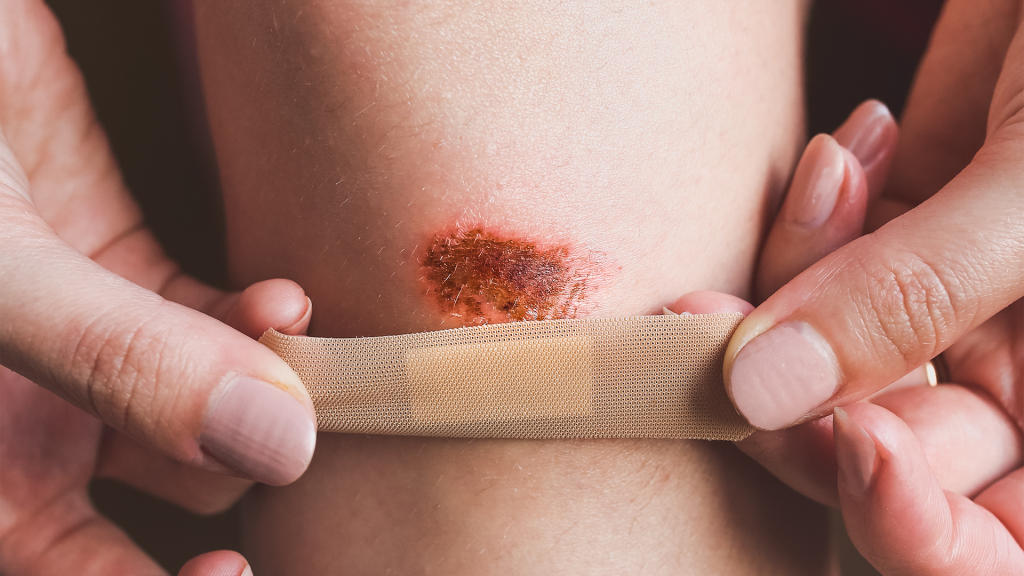
Denuded wounds remain complex issues for wound care, occurring when the outermost layer of skin is removed, exposing the secondary layer of skin underneath. As wounds occur for various reasons, they can experience complications during the healing process. In some circumstances, a wound will lose its outer layer of skin, stripped away or lost due to friction or exposure to bodily fluids. They do come with extended risks, calling caregivers and healthcare professionals to take additional steps to prevent these issues from occurring.
These types of wounds pose a significant risk of infection, prompting potentially life-threatening medical complications. Take steps to address denuded wounds before they grow into bigger issues. Read on to learn more about the complications that come with denuded wounds and how they can be treated.
What Is a Denuded Wound?
Denuded wounds are wounds in which the top layer of skin has been stripped away. Typically, these types of wounds look raw or shiny, where the secondary layer of skin is exposed.
Not only are these types of wounds painful, but they can also prolong the healing time of a wound or increase the risk of infection. Left untreated, these types of wounds can grow and prompt potentially life-threatening infections. Dedicated wound care procedures are essential to limiting the damage and promoting improved healing.
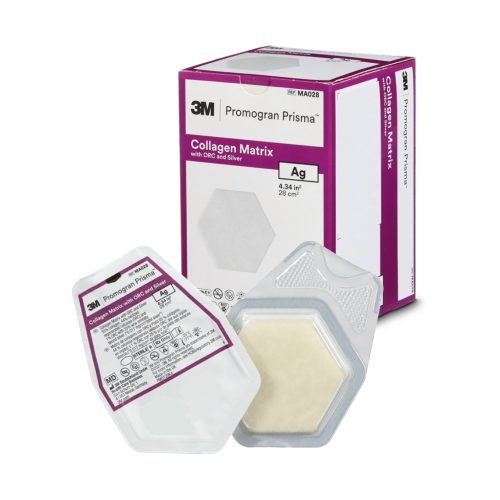
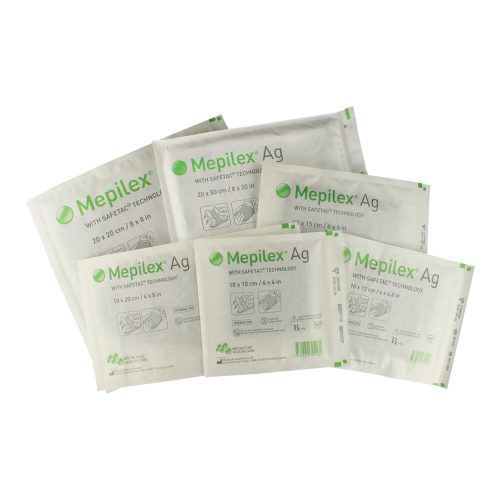
Wounds that experience such issues will need to be carefully cleaned and dressed. Further, creating a moist wound environment primed for healing remains highly important. Some wound dressings include ointment to help promote improved healing. Standalone wound ointment products can also work to improve results, especially when paired with dedicated re-dressing once a day.
Common Causes & Risk Factors
Denuded wounds can occur when the wound is exposed to sweat or urine, from picking, rubbing, or scratching, or from friction from improperly fitted bandages or other medical devices. In some circumstances, a denuded wound can occur due to a chemical irritant, where substances have made their way into the wound itself. In some circumstances, a wound can also experience these challenges when a bandage is redressed too frequently or when adhesive tapes are removed. Those who are immunocompromised, have diabetes, or are at risk of infection are especially prone to these issues. Denuded wounds are likely to make the healing process longer and potentially, more painful. Without intervention, patients are also at risk of experiencing significant scarring.
Without proper care, denuded wounds can also experience serious bacterial infection that can spread to other parts of the body. Some infections can grow into complex and life-threatening scenarios. Early intervention is a key element to limiting the damage that denuded wounds can pose to patients.
Basic Care Practices For Wound Healing
Basic wound care practices are incredibly helpful for preventing denuded wounds before they occur. Consider learning about how to create a moist wound environment that can expedite the healing process.
Wounds can be redressed at home, where a caregiver can apply new dressings and closely monitor the healing process. Caregivers should thoroughly wash their hands before touching any medical equipment, including wound dressings.
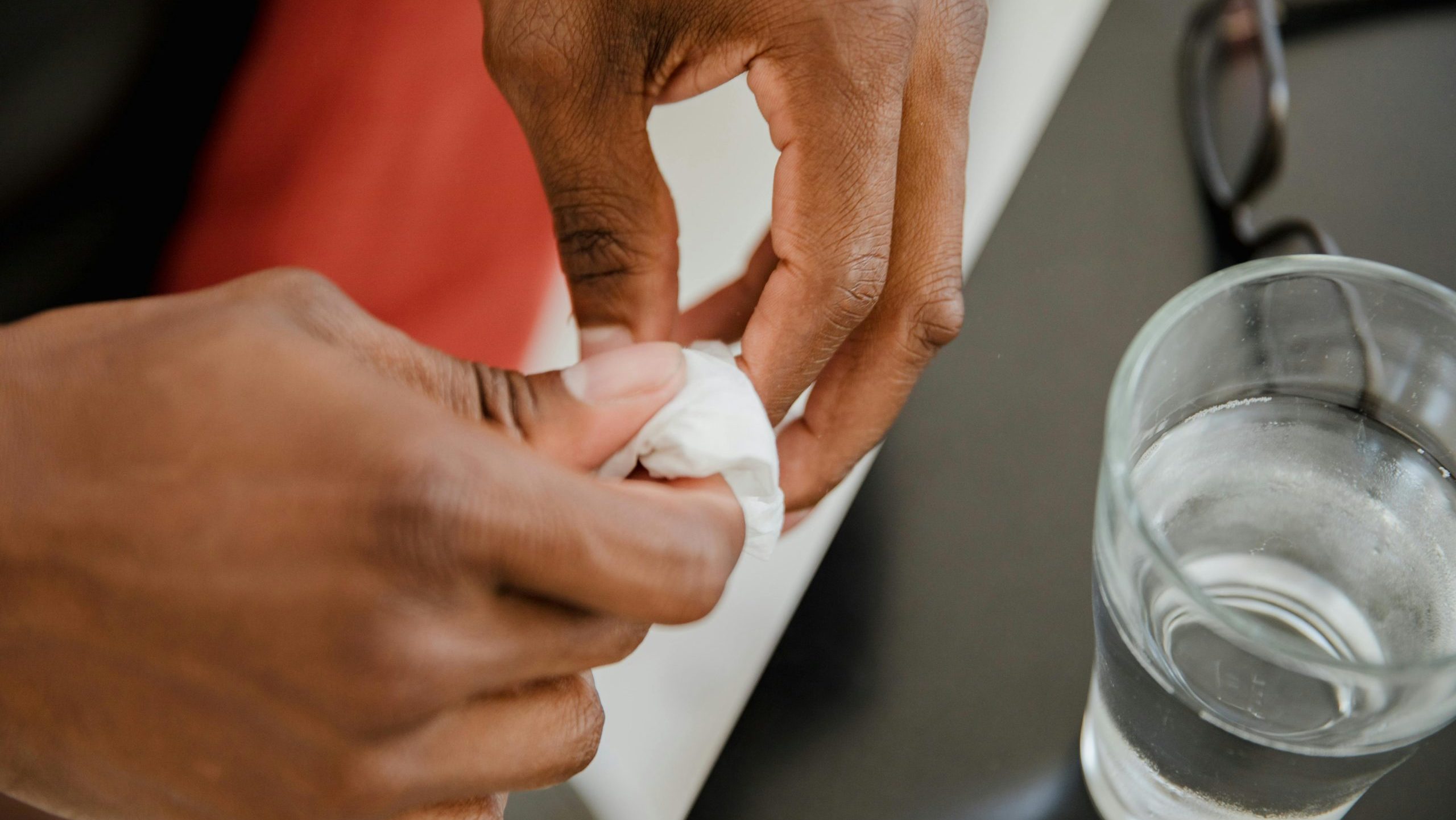
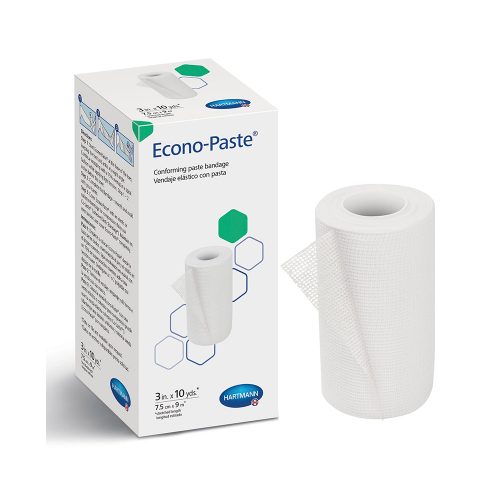
Carefully clean the wound with lukewarm water, dry it, then apply a fresh wound dressing shortly after. Ensure a proper fit and use a compression bandage, if needed, to properly secure the dressing in place. Using dressings that don’t fit securely could lead to additional complications.
Always carefully read and follow the labels found on all wound care products. Follow the directions outlined on the product itself to ensure its proper use. Consider a patient’s allergies and skin sensitivities prior to applying any ointment or wound dressing.
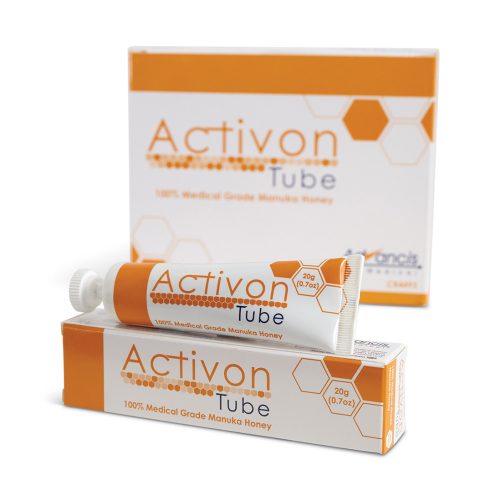
Regular patient hygiene practices are essential to limiting urine, sweat, or feces from entering the wound healing area. Wound ointments are also great options for offering a moist healing environment free from bacteria. Consider applying a drop of a clinic-grade wound ointment prior to applying a new dressing, or explore wound dressings that have ointment included.
Preventing Skin Breakdown & Recurrence
Proper wound hygiene remains critical to limiting and preventing further breakdown of the body’s outer layer of skin. Regularly clean wounds during re-dressing and always use a fresh dressing. Some dressings that have dried out or are old could result in further breakdown of the skin and should not be used.
Some patients with limited mobility may be especially vulnerable to denuded wounds and will require repositioning on behalf of the caregiver. Attempt to reduce any friction on the wound healing area and adjust patients for comfort and optimal healing environments. Remain dedicated to regularly redressing wounds and ensuring the area is free from outside influence. Look to limit the wound’s exposure to bodily fluids or unnecessary friction.
Create moist healing environments with properly fitted dressings that do not experience any friction for the best results. Consider applying a specialized antimicrobial wound ointment prior to redressing a wound.
When to Seek Medical Attention
Any signs of infection, including redness, swelling, pus, or discoloration, should prompt further medical attention. Should a wound’s condition appear to worsen or if it fails to heal over an extended period of time, consider seeking out additional care. Any sort of foul smell, black skin, or arrival of pus should prompt a visit to a healthcare facility.
There can be many reasons why a wound will not heal, but early intervention on behalf of a medical professional can limit the damage and prevent further issues.
Should you ever be unsure about whether or not a wound needs further care from a professional, remain cautious and speak with a healthcare specialist as soon as reasonably possible.
Look To Medical Monks For Wound Healing Products Online
Medical Monks remains your trusted online source for wound healing products of all kinds. From ointments to bandages, wound dressings, and more, we maintain a long list of products suitable for the use of healthcare professionals and caregivers alike. Explore product offerings specifically for wound care, including bandages, dressings, and ointments.
Find the perfect product for your needs via our online store and provide exceptional care alongside our offerings. We continue to partner with the very best manufacturers, dedicated to rigorous testing of all products to ensure their safety and efficacy. Further, many products are eligible for free shipping across the United States.
Have more questions?
Contact Medical Monks directly and follow along on social media, including platforms like Facebook and Instagram.

The MEDICAL MONKS STAFF brings to the table decades of combined knowledge and experience in the medical products industry.
Edited for content by JORDAN GAYSO.