
For anyone wondering how long can a catheter can stay inside, the truth is that it depends on several different factors. Typically, catheter duration usage times are not dependent on sex, but instead on the needs and circumstances of the individual patient. Some patients may have individual preferences, may opt for one option that they consider to be more comfortable, and other products that limit the risk of infection or skin irritation. Some patients, due to the nature of their medical condition, will need to use catheters that are intended for long-term use. Each situation is unique, requiring consultation with a healthcare professional.
Patient needs continue to vary, and as such, there are many different catheters for sale online to cater to the needs of different patients. Learn more about the typical safe duration times for indwelling catheters for both men and women, with guidance suitable for caregivers, clinicians, and patients.
Find catheter products suitable for any occasion alongside Medical Monks.
Typical Duration: Male vs Female
Catheters come in several different varieties, and the typical duration of a catheter is dependent on the type of catheter being used and the patient’s needs. Usually, the duration for which a catheter can be used is not reliant on the patient’s sex.
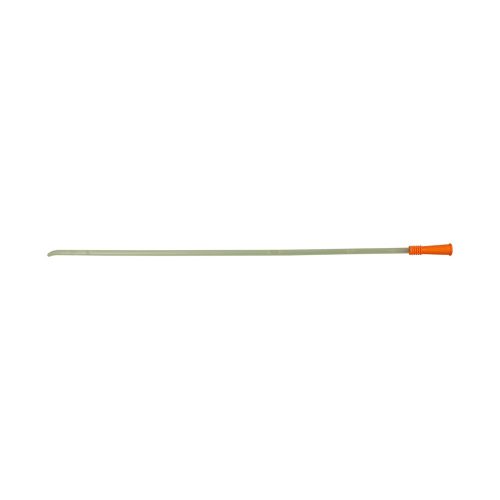
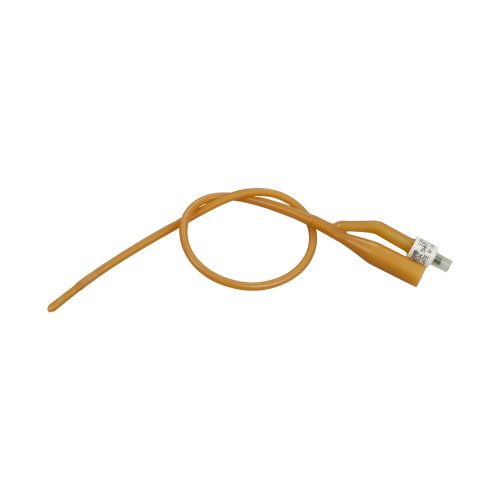
For instance, intermittent catheters are used intermittently, as needed, for a single drainage anywhere from 1-4 times a day. They are inserted as needed and then removed after urination. Indwelling catheters may be used for longer durations in both men and women, depending on the need for the catheter. Some long-term indwelling catheters need to be replaced anywhere from one to three months. Foley catheters can be used for both short-term needs and longer durations of time. Each catheter will need to be properly maintained, with both daily maintenance and, at times, replacement.
Some other catheters, including external catheters, may need to be replaced every one to two days. Generally, caregivers and healthcare professionals will consider factors such as comfort, the patient’s mobility levels, and the risk of infection to find the perfect catheter and its wear time.
What Affects Catheter Wear Time
Catheter wear time can be influenced by several factors, including the catheter type, the patient’s mobility, their health conditions, the risk of infection, and skin allergies. Some patients are vulnerable to blockages or displacements of the catheter, calling for in-dwelling catheters that are secured using adhesive tape or locking mechanisms. Some catheters also include anti-microbial properties or are latex-free, ensuring the patient doesn’t experience irritation or skin irritation. Some catheters come with a lubricant that can decrease the risk of infection but also make insertion more comfortable.
Further, caregivers will need to consider the overall health of the patient, including any conditions that might impact catheter wear. For instance, patients who have experienced significant injury may not have the ability to use an intermittent catheter, requiring a long-term catheter solution that is facilitated via surgery. Some patients may prefer to have catheters that are adjustable to their mobility, with straps or adhesives in place to improve their quality of life.
Risks of Prolonged Use & When to Remove
Long-term catheter use does come with the possibility of complications. Should they not be properly cleaned, disinfected, and replaced, it could result in Urinary Tract Infections or bladder stones.
Catheters can also become blocked or kinked, resulting in bladder spasms and leaks that are both uncomfortable and difficult to address. Sometimes, the internal balloon within a catheter can become uncomfortable for the patient, while long-term use could even result in kidney damage. Some patients may also experience trauma to the skin, including the insertion site. The urethra can become irritated should a catheter be repeatedly inserted and removed, causing pain, risking infection, and reducing the individual’s quality of life.
Extended amounts of pain, infection, or Urinary Tract Infection should prompt removal of the catheter and further collaboration with a healthcare professional. Further, any sort of malfunction of the device itself may call for its removal. Kinks, leaks, or blockages are sure signs that the catheter must be removed and corrected.
Daily Care While the Catheter Is In
Hygiene is of great importance for the daily wear of any kind of catheter. Any sort of bacteria that makes its way into the catheter can result in serious infection and discomfort. Regular hand washing with hot and soapy water on behalf of the patient and caregiver is essential to reducing the risk of infection and other complications.
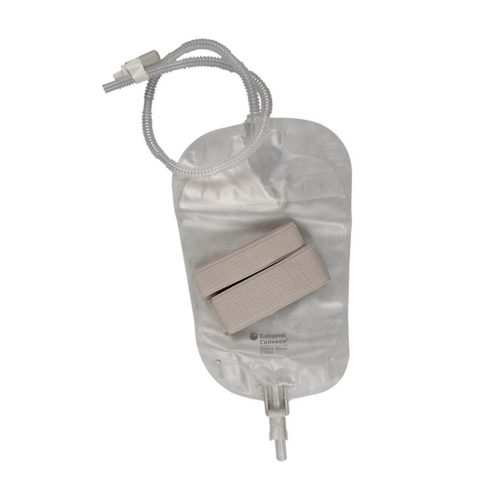
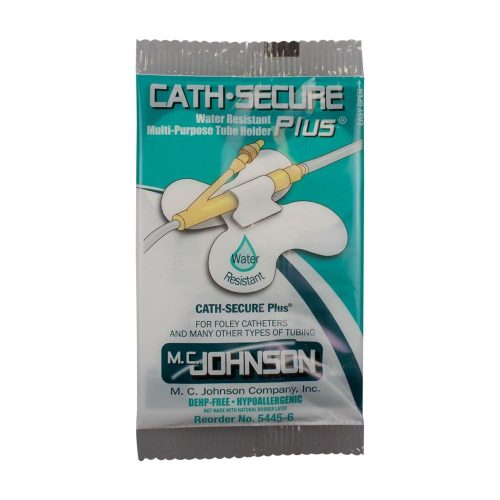
Patients can also work to ensure the catheter is properly secured every day, removing any kinks in the pipes as they occur. The catheter insertion site must also be kept exceptionally clean, washed with soap and water several times a day. Having any loose tubes carefully secured to the patient’s leg or thigh is also helpful for avoiding complications, while equipment should always be carefully cleaned and sterilized prior to use. Some catheter bags can be easily replaced, while some tubing may also need to be regularly replaced in order to avoid infection.
The drainage bag must also be regularly emptied, while equipment will need to be cleaned and replaced as directed by your healthcare professional. The patient should remain hydrated and embrace regular hygiene practices, including washing their hands and showering. Collection bags should also be properly placed below the waist to ensure the catheter works as intended.
Choosing the Right Catheter for Duration
Indwelling catheters are ideal for long-term use, sometimes referred to as a Foley catheter. These types of devices are intended to remain in place for longer durations, and can be accompanied by a securing locking device and adjustable straps for ongoing comfort. Long-term catheters will still require regular cleaning and replacement and are not considered a permanent solution.
In other cases, catheters that are surgically inserted may be another option for long-term catheter use. Explore product offerings that come with anti-microbial properties and can reduce the risk of infection. Straight catheters remain the best option for short-term use and can be removed daily.
Explore Catheter Offerings From Medical Monks
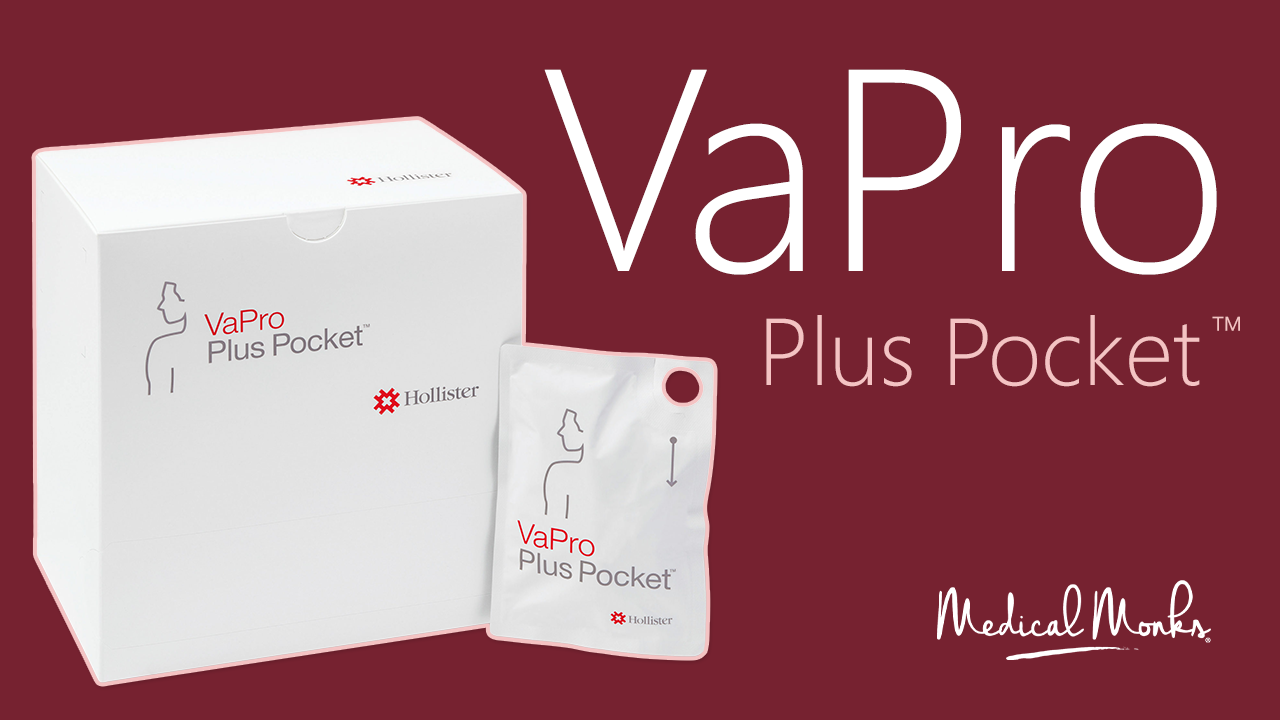
Medical Monks maintains a collection of medical-grade catheters suitable for clinicians and caregivers, offering products to suit any of your catheter needs. Explore catheters intended for short or long-term use, and explore offerings that can reduce the risk of infection and promote comfort among patients.
Take the time to carefully read each product description before purchase. Browse the Medical Monks online store for several catheter products eligible for free shipping across the United States. Find products that offer safety and comfort, but are also effective in their daily use. Check back regularly for more products available across the United States.

The MEDICAL MONKS STAFF brings to the table decades of combined knowledge and experience in the medical products industry.
Edited for content by JORDAN GAYSO.